Australian Institute of Alpine Studies Newsletter 03
A newsletter connecting Australian mountain researchers, supported by AMRF.
AMRF Project Updates
Winter AMRF Site visits
Winter fieldwork in the Australian Alps means keeping AMRF infrastructure and equipment running through snow and icy conditions. It brings a mix of beautiful views, problem‑solving, careful monitoring, and the occasional unexpected challenge. Throughout winter, A/Prof Susanna Venn and Ken Green visited several AMRF sites to check instruments, assess snow conditions, and continue building our long‑term research datasets.
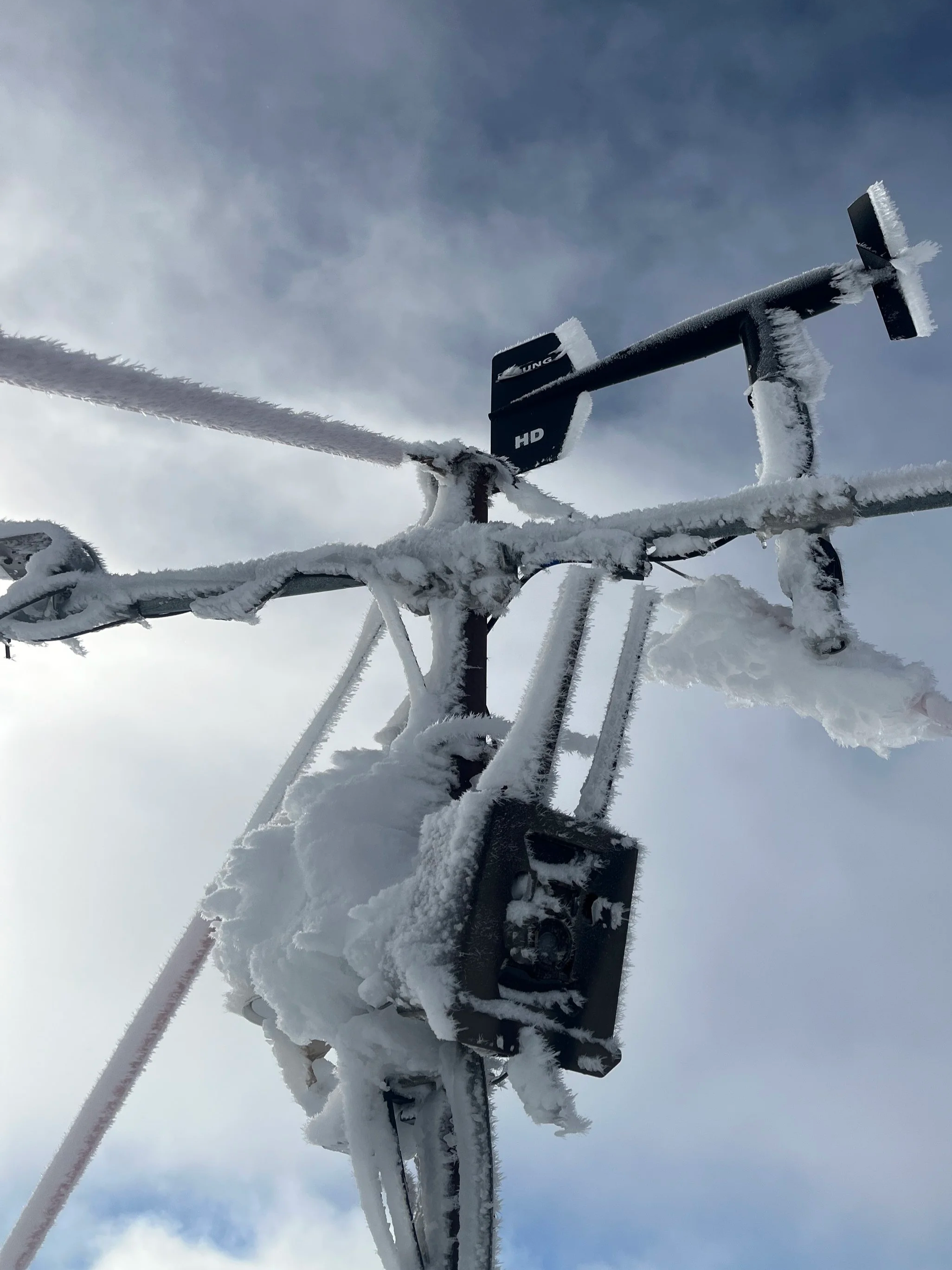
Ruined Castle, Victoria
On 7 August 2026, the anemometer and site camera were completely coated in rime ice, which forms when the wind blows super cooled moist air onto something that is even colder, and so it freezes on. This is very hard ice, and colder than 0°C! It stopped the camera’s antennas from sending signals. To be able to open the camera box to reset the camera and get the anemometer spinning again, required Susanna to knock off the ice with her ski pole!
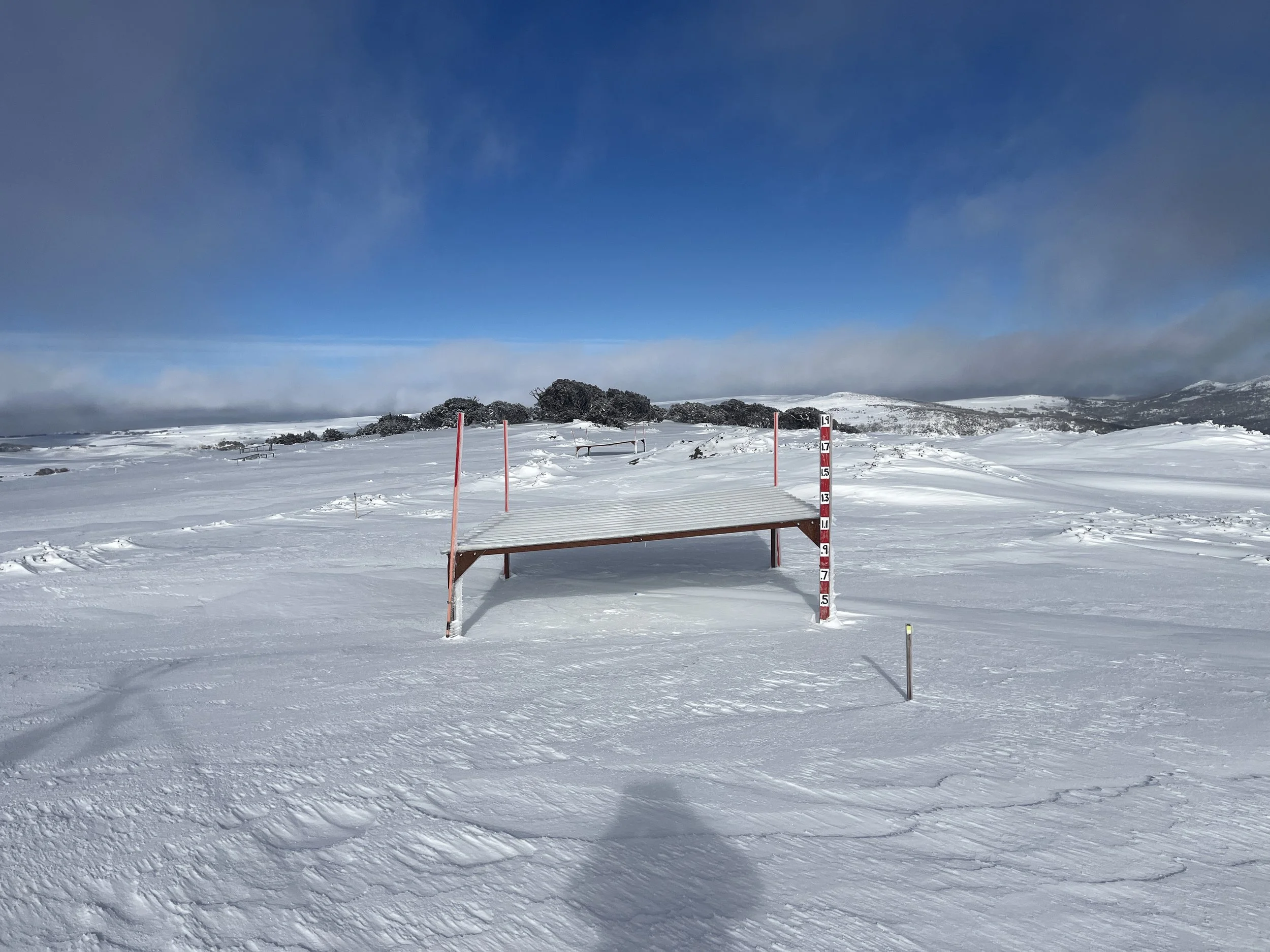
One of the drought net shelters at Ruined Castle, showing about 39cm of snow - this is peak season, and usually at this time of year there would be over 1m of snow at this site! Another drought net shelter is in the distance.
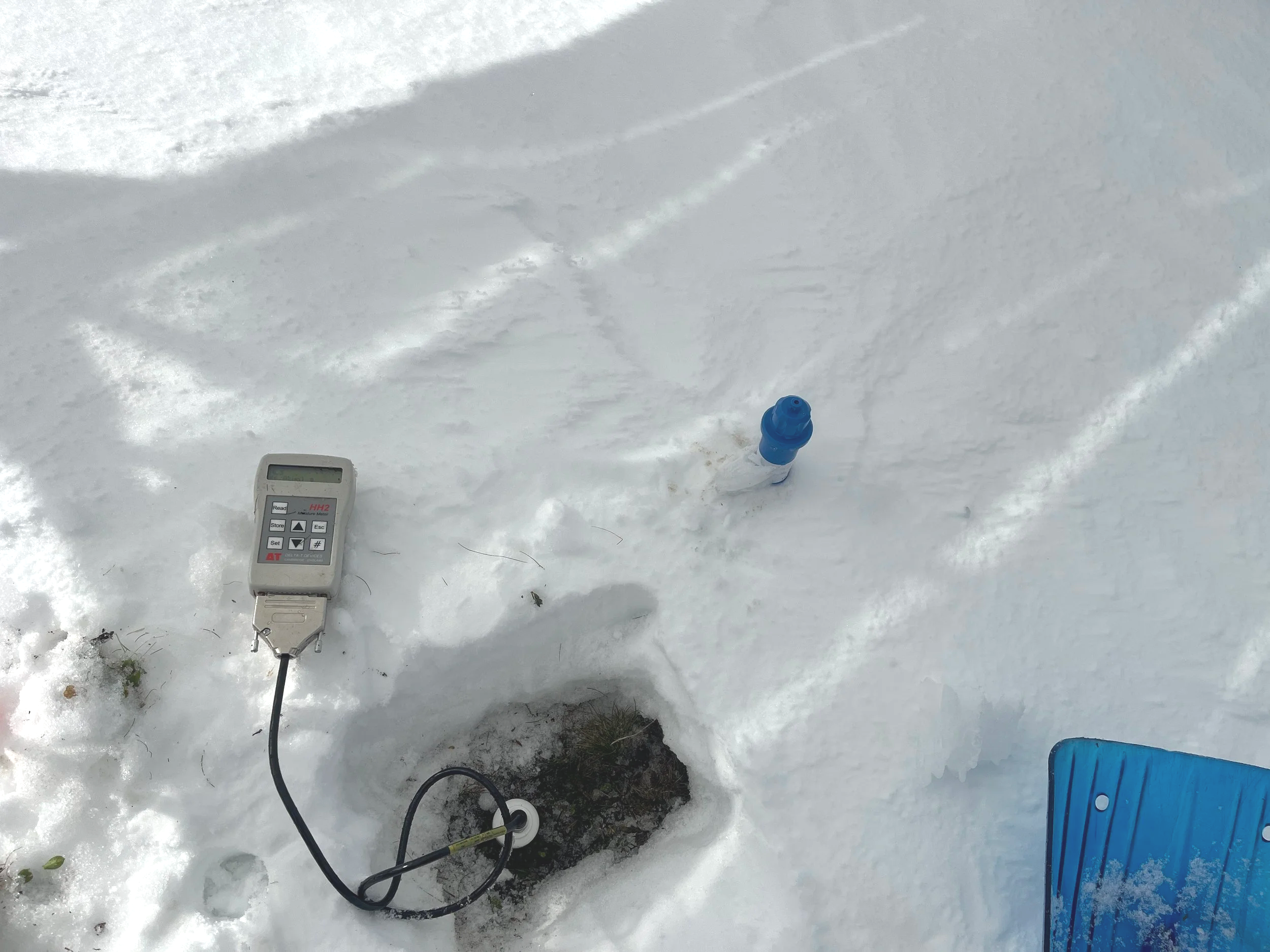
Beneath a drought‑net shelter at Ruined Castle, an Odyssey Xtreem sensor and logger (the blue unit) records soil moisture and temperature every 10 cm, down to 40 cm. Susanna uses a hand‑held theta‑probe and HH2 logger to take paired readings beside the Odyssey unit, allowing comparison between the two methods. These measurements are later matched with gravimetric samples to calculate percentage soil water.
Schlinks Pass - NSW
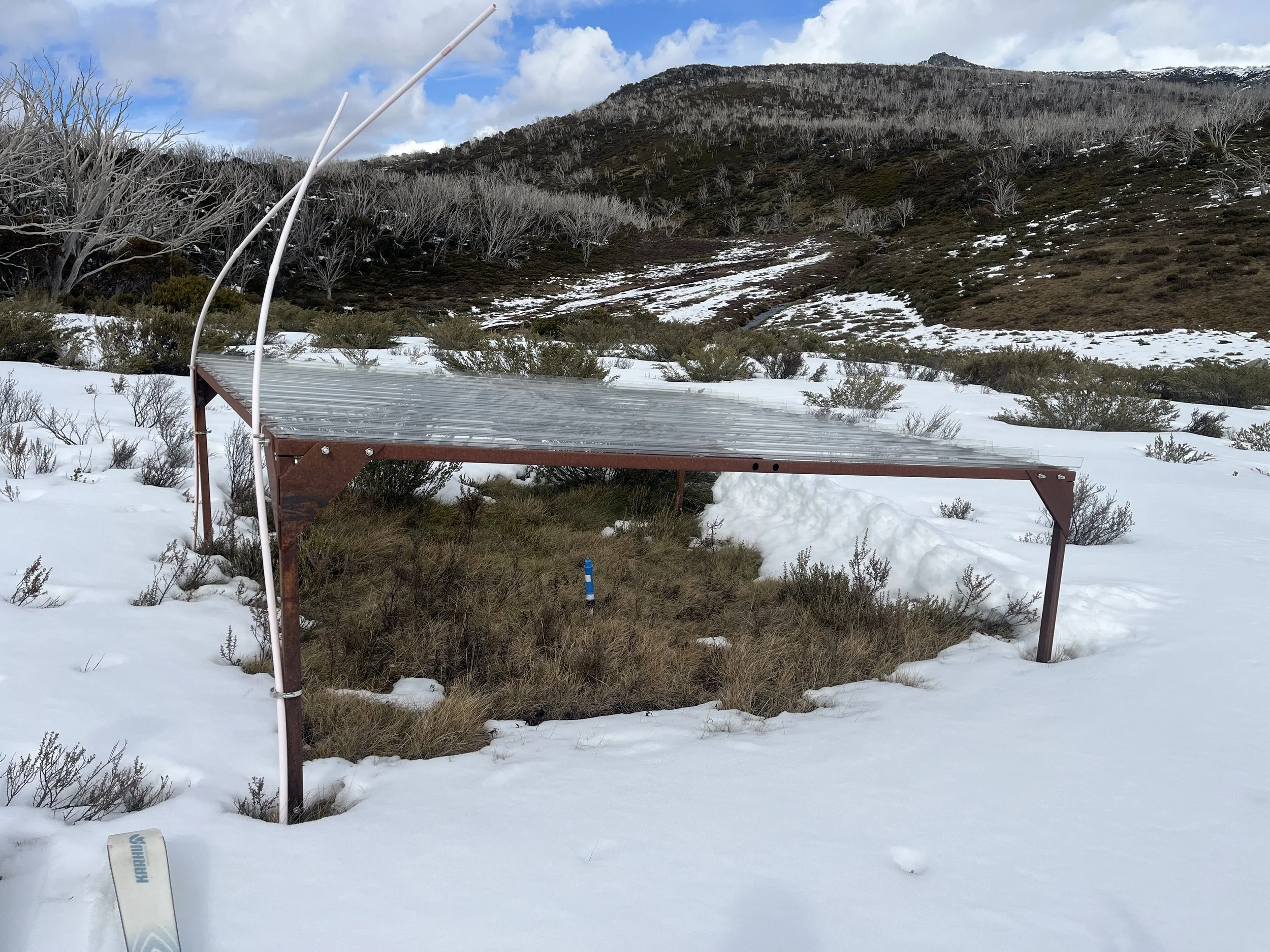
A DroughtNet shelter at the Schlinks Pass AMRF site on 18 August, where snow was unusually shallow for the time of year. As well as preventing additional snow falling onto the plot, the DroughtNet shelter actually creates slightly warmer conditions underneath which aides in melting the snow. Note the bank of deeper snow at the low (right hand) side of the shelter. This has piled up from sliding off the top of the shelter.
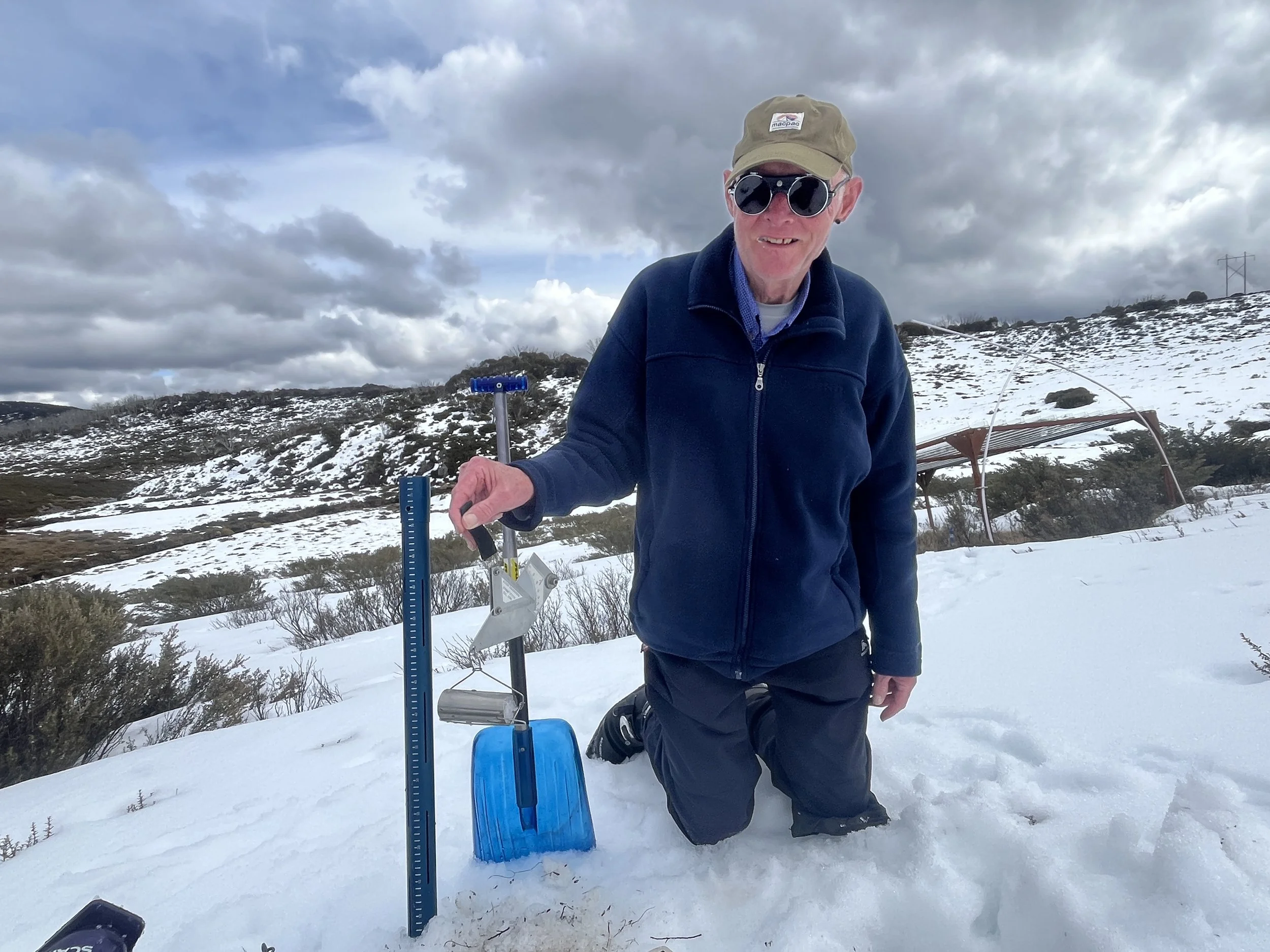
Ken Green holds the simple snow-density instrument, this is indicating that the snow is approximately 43% water - so very dense and wet snow. This value is compared with a measure of snow water equivalence (SWE), measured with the Federal Snow Corer (the blue tube on the left), providing a fuller picture of snowpack condition and melt progression.
News & Updates
Researcher highlights
Impacts of a warmer and drier climate on survival, growth and water regulation in snow gums: project updates
by Mohan Pandey, Deakin University
This research investigates how different snow gum taxa respond to projected future climate conditions using the AMRF Future Climate shelters established at Perisher in Kosciuszko National Park, NSW. These experimental shelters simulate future alpine climates by increasing temperature by approximately 4°C compared to ambient and reducing water availability through 80% precipitation exclusion. The experiment includes four climate treatments: ambient (current conditions), warming, drying (80% rainfall interception), and combined warming and drying. Each treatment is replicated five times across the study site, with all treatments represented within each experimental block.
In November 2025, we transplanted 1,200 seedlings representing ten taxa, including five subspecies of Eucalyptus pauciflora (subsp. acerina, debeuzevillei, hedraia, niphophila, and pauciflora) into these four experimental treatments at the field sites. This multi-taxa approach allows us to determine whether populations originating from different climatic environments differ in their ability to respond to future climate conditions. We have been monitoring seedling survival and growth over time and will measure leaf functional traits and eco-physiological characteristics during the upcoming spring and summer. These measurements will provide information into how different taxa modify leaf traits, maintain water balance and respond to warmer and drier conditions in the Alps in the future.
Following the initial transplant in November, high seedling mortality resulted in uneven sample sizes among treatments and taxa. To maintain a robust experimental design, we replanted 355 seedlings in April 2025. This replantation allows us to continue monitoring of climate responses while accounting for early establishment challenges in alpine climates during the transplant experiment.
Through these works, this study aims to identify traits that are most responsive to climate change, determine how different taxa shift their trait expression and which traits best predict the survival and growth. This field-based experimental work directly contributes to the broader objectives of the Save our Snow Gums (SoSG) program by improving predictions of snow gum survival and growth in early stages under future climate change scenarios and providing scientific evidence to support the management decisions for conservation planning and management of Australian sub-alpine ecosystems.

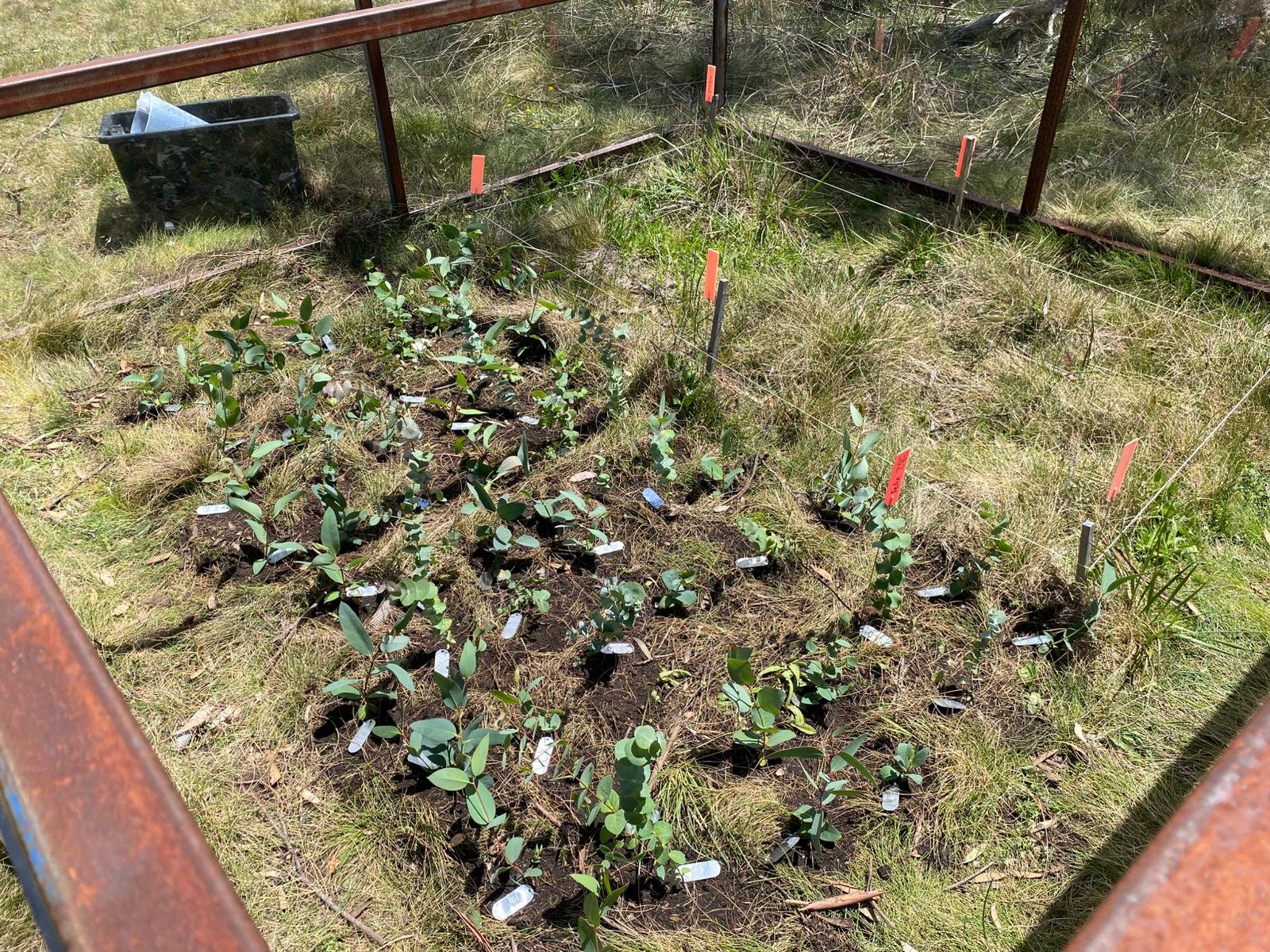

Images: Mohan Pandey. a) Volunteers helping set up the experiment - Gahee Ham (left) and Samuel Driyanto (right) b) Transplanted snow gum taxa at FutureClim AMRF sites c) Second phase transplant work - Son Thai (left) and Mohan Pandey (right)
Assessing snow process modelling utilising the AMRF Aqueduct site
by Natasha Harvey, University of Canberra
My current research uses data collected at the Australian Mountain Research Facility (AMRF) Aqueduct site to assess snow process modelling in the Australian Alps. I'm using observations from the AMRF weather station, rain gauge and Phenocam, the nearby flux tower and a co-located albedometer I deployed to test how well a coupled land-surface and hydrological model (MESH) can simulate snow accumulation, melt, snow cover, and surface albedo in Australia's marginal snow environment. One interesting aspect of the project is comparing model simulations driven by in-situ AMRF observations with those driven entirely by gridded reanalysis data (BARRA-C2), a high-resolution atmospheric dataset produced by the Bureau of Meteorology that combines weather observations with numerical weather modelling to provide continuous estimates of meteorological conditions, gridded across Australia. This comparison helps assess whether regional reanalysis products can support future distributed modelling across alpine landscapes where monitoring infrastructure is absent. As with most alpine field research, data collection can be challenging so data gaps are common. However, the combination of long-term AMRF infrastructure, targeted supplementary measurements (e.g., albedo) and gridded products provides a valuable opportunity to better understand alpine snow processes and improve models, therefore improving predictions of future snow conditions.
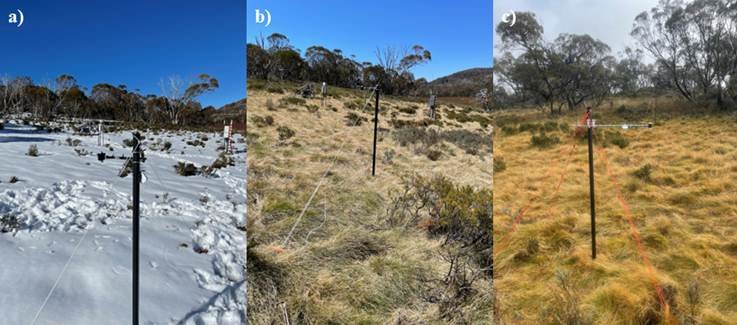
Images: Natasha Harvey. Albedometer deployed at the AMRF Aqueduct site: a) deployment on 2023-08-20 with the weather station and rain gauge in background, b) recovery on 2023-10-19, and c) deployment on 2024-06-08 with Phenocam in the background.
Snowpatch responses to climate change in the Australian Alps
by Phil Campbell, University of Canberra
My research has focused on three aspects of snowpatches in the Australian alps: how they are changing over time, their effectiveness in moving larger sediments, and their influence on local hydrology. Satellite imagery dating to 1978 has enabled tracking of the melt date for 43 representative snowpatches in the Snowy Mountains and Victorian Alps. In a collaboration with University of Canberra researcher Natasha Harvey, snow depth and other data has been used to extrapolate the melt date for each snowpatch back to 1935. This has shown a clear trend over the past 90 years, with snowpatches melting earlier, and the mean date for ablation shifting from late to early January, with modelling showing further declines to late December over the next few decades. Those snowpatches persisting to the following snowpack have also significantly declined both in number and frequency. This has important implications for snowpatch dependent species, with declining snowpatch persistence permitting the movement of less snow-lie tolerant species into snowpatch sites.
To track the effect of snowpatches on sediment movement, over 250 rocks of different sizes have been placed on snowpatch sites and adjacent comparison sites and periodically surveyed over the past two years. Preliminary results have shown active stone movement, with movement surprisingly greater on the comparison sites, with research ongoing to determine the nature of this difference and the cause of movement. Data collection from soil moisture loggers, trail cameras, and water temperature, salinity and depth loggers is providing insights into how snowpatches affect water movement, temperature and salinity, with the AMRF sites at Cruiser and Wrights Creek providing important supplementary data. Field research is expected to conclude over the summer.
When completed, the research is expected to provide an invaluable snapshot of the state of Australia’s alpine snowpatches. This will enable further insights into how changes in snowpatch persistence will affect critically endangered snowpatch herbfield and snowpatch feldmark plant communities, local hydrology and the action of snowpatch dependent nivation processes.
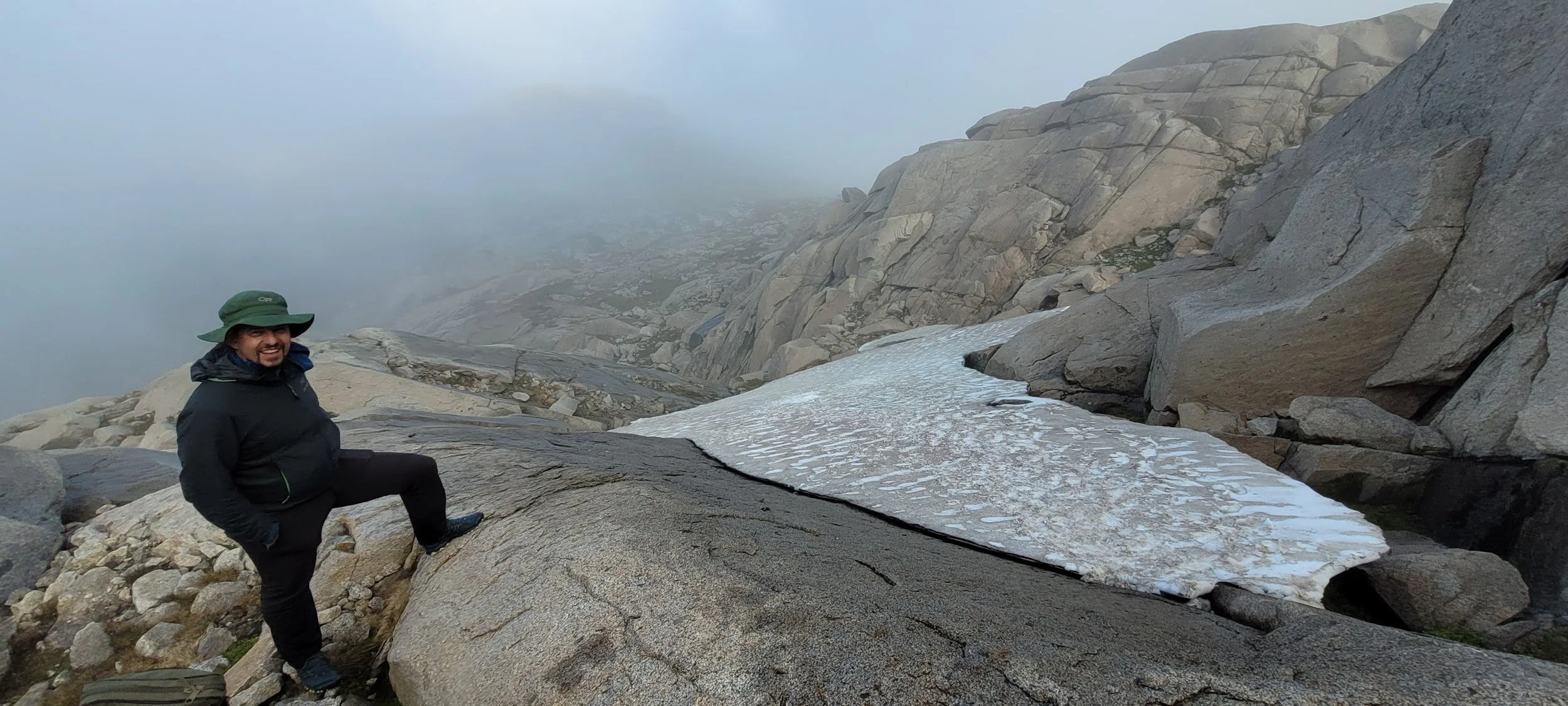
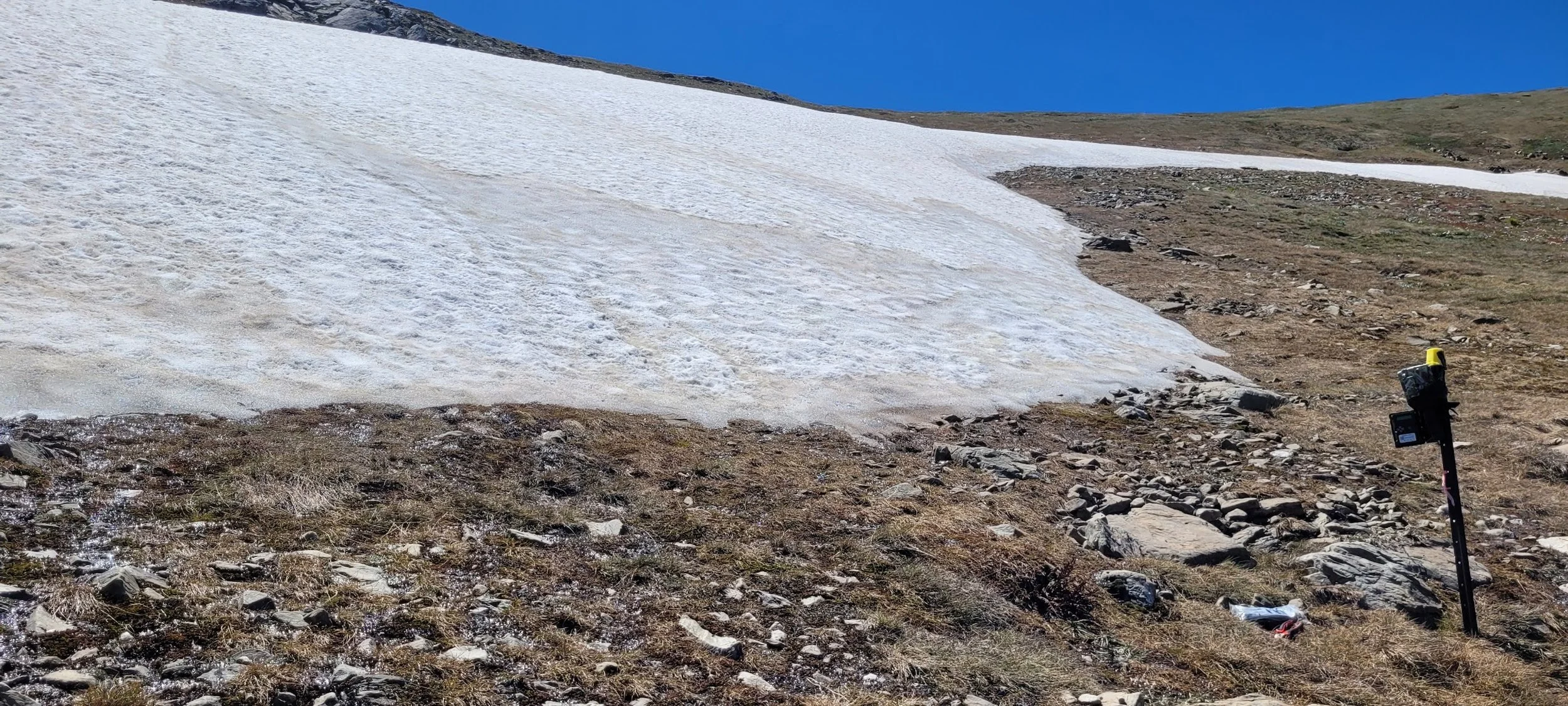
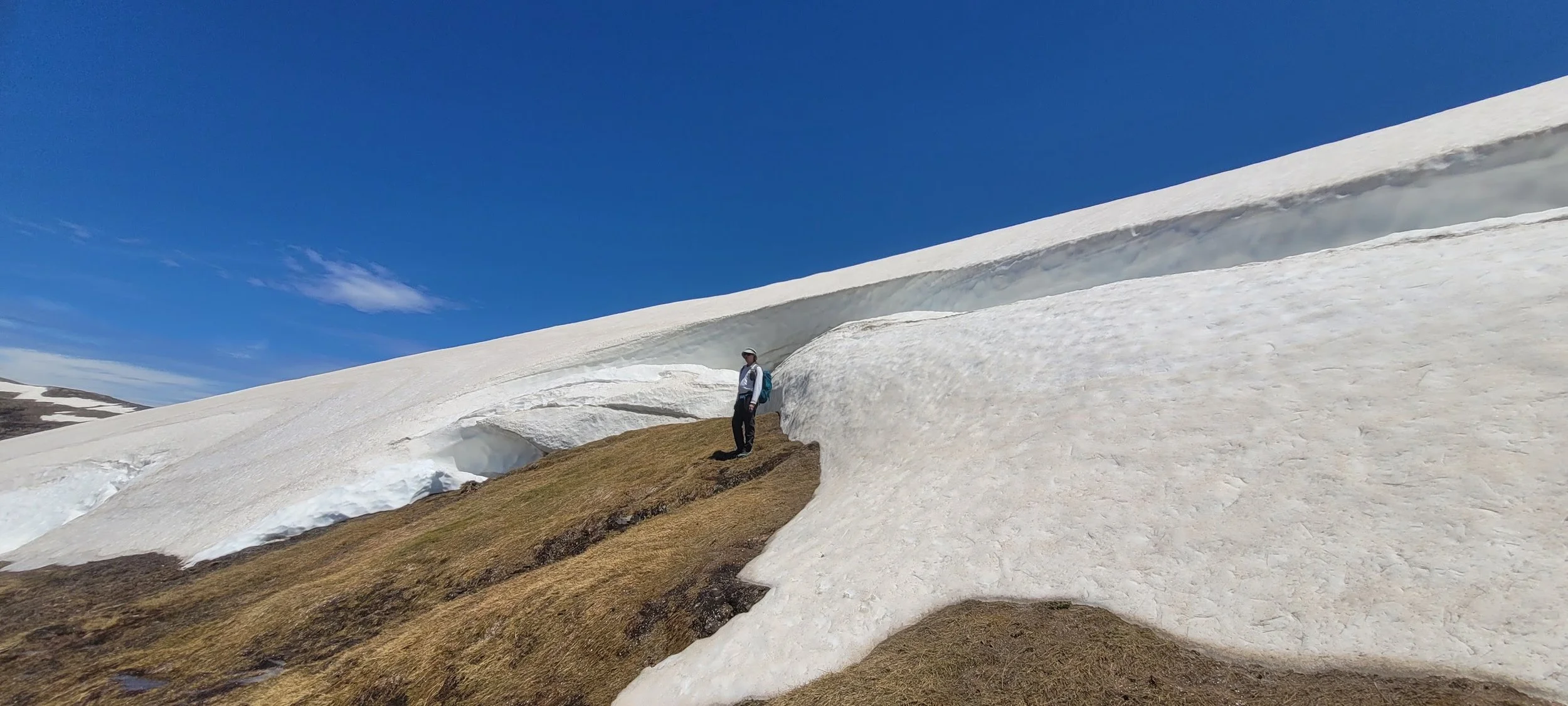
Images: Phil Campbell. a) Twynam snowpatch in May 2023. This snowpatch was one of five to survive to the next winter's snow pack, the first time in a quarter of a century. b) Trail camera monitoring snowpatch ablation at Mount Clarke. c) Snowpatch at Twynam Ridge, December 2025. This snowpatch reached a depth of 17 metres at its peak in winter.
TERN article: Science in the Snow
Our supporters Terrestrial Ecosystem Research Network (TERN) recently profiled AMRF’s alpine research, exploring the benefits and realities of collecting ecological data in Australia’s toughest winter conditions. Dr Leah Moore from ANU and AMRF Coordinator Nathan Battey share insights into the challenging yet essential work required to maintain our long-term monitoring datasets during the snowy winter months, to provide year-round data to researchers.
Conferences & Events
Upcoming events:
November 2026
Ecological Society of Australia 2026 Conference in Brisbane
Registration to attend ESA 2026 in Brisbane from the 29 November to 4 December is now open!
Past events:
July 2026
2026 AIAS Symposium and AMRF Workshop
ANU, Canberra, July 9 - 11
The 2026 AIAS Symposium was held at ANU in Canberra, which brought together students, researchers, and industry colleagues working across alpine and subalpine environments to share current projects, findings, and ideas. It was a fantastic day, with presentations spanning snow science and hydrology, soils, plant and fauna ecology, and science informing conservation. Hearing from researchers from Tasmania, Victoria, New South Wales, and the ACT highlighted just how much work is underway across our alpine and subalpine landscapes. See the schedule from the day here.
The Symposium was followed by two field trip days: an AIAS visit to the Aboriginal rock art at Yankee Hat, and the AMRF workshop, which included visits to AMRF field sites and a walk to Square Rock. These days offered space for informal conversations, new connections, and a chance to see key research locations firsthand. The AMRF Workshop brought together current and prospective researchers to discuss the facility’s future direction, research priorities, and community development.
Thank you to everyone who joined us across the three days. We hope the event offered opportunities to connect, share ideas, and build new collaborations, and we look forward to continuing this momentum into future AIAS and AMRF activities.
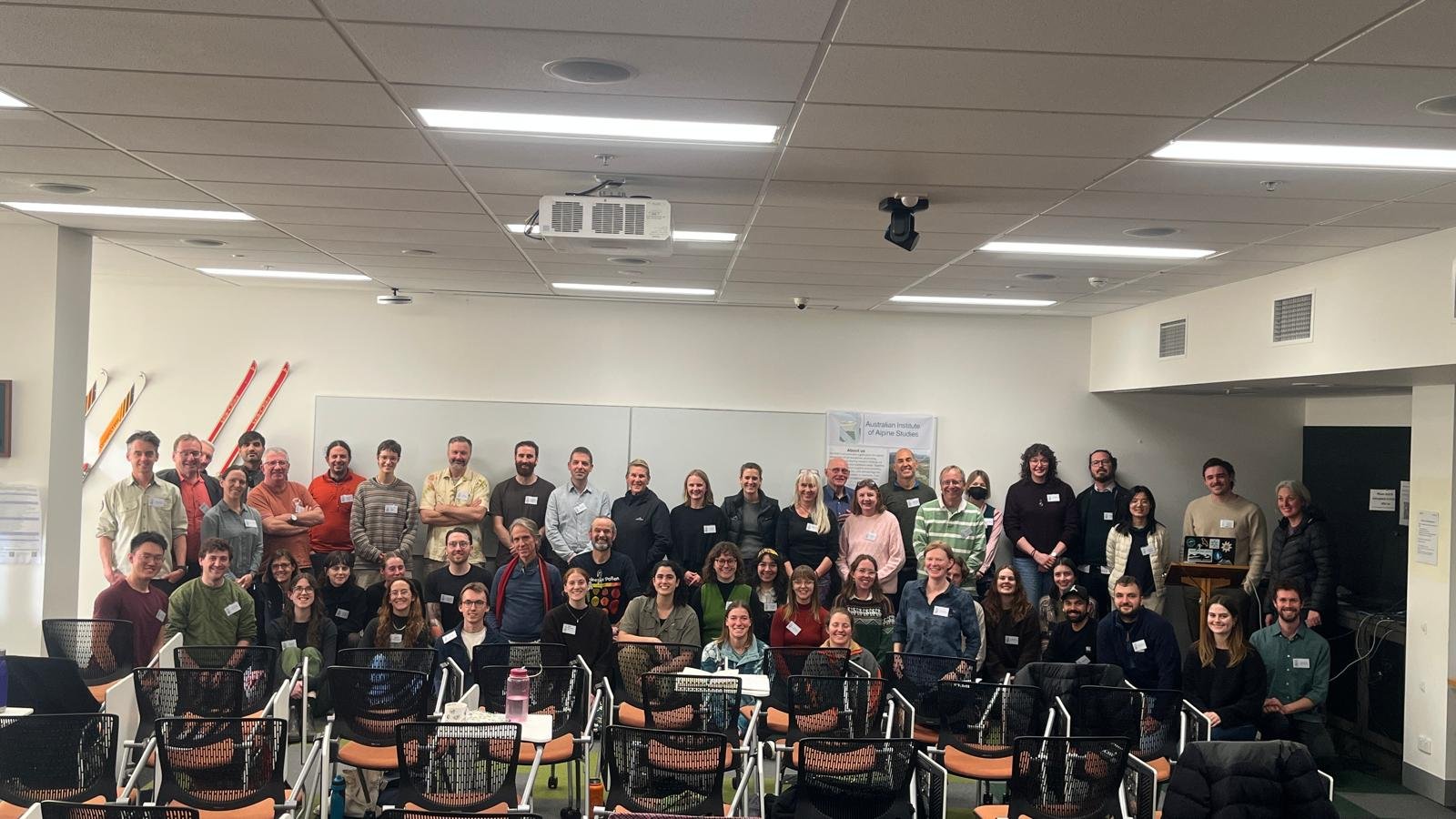
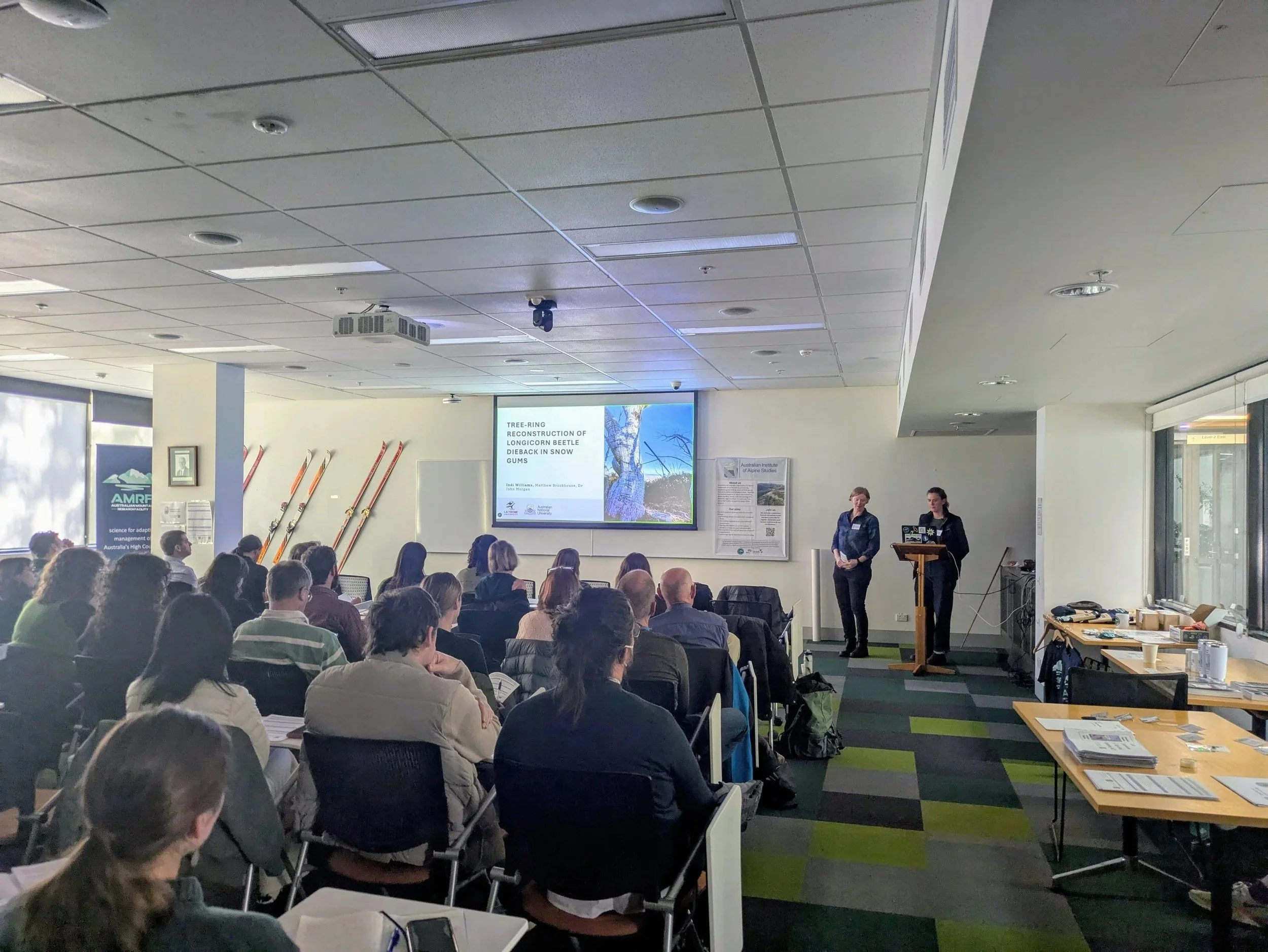
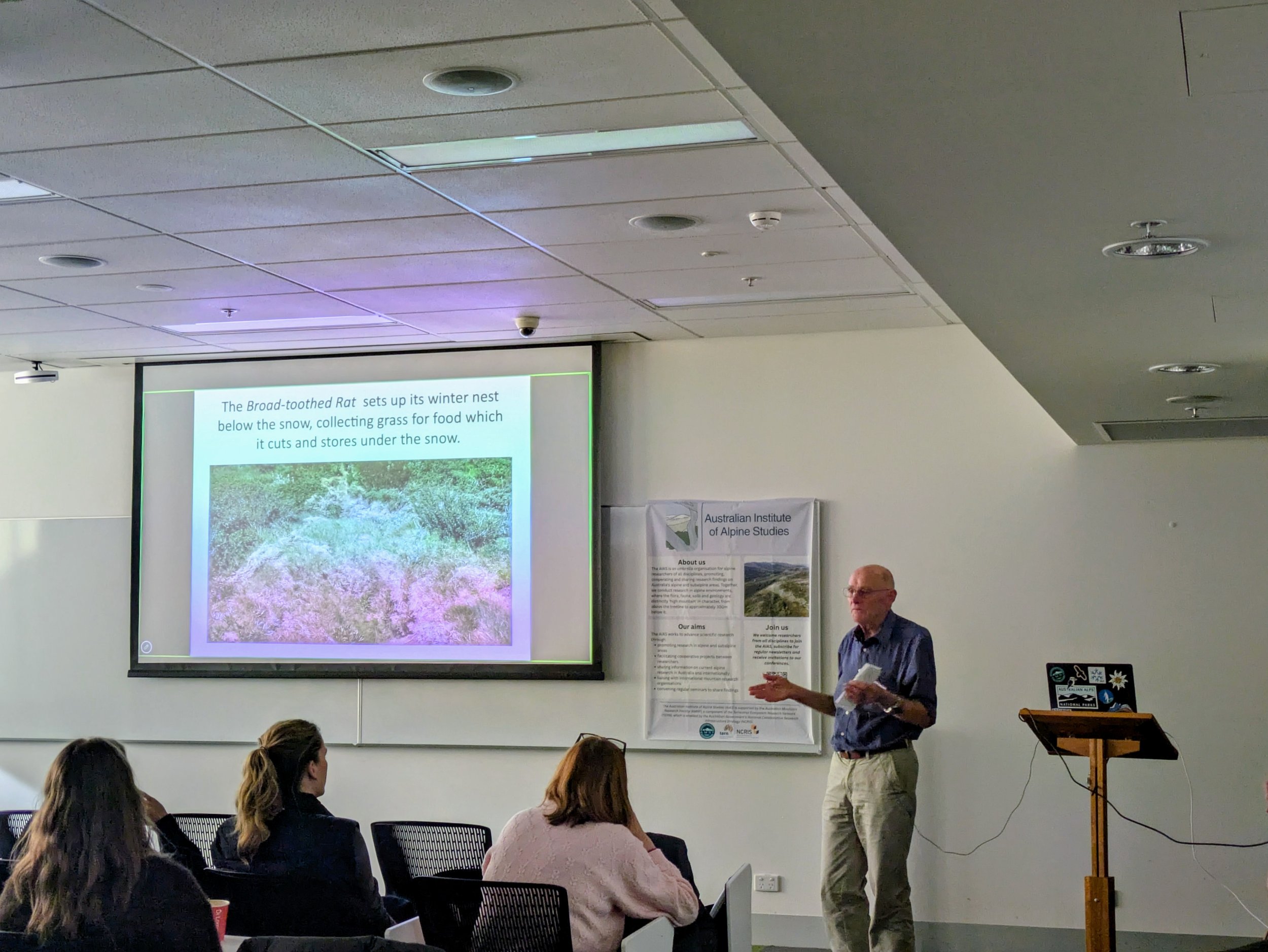
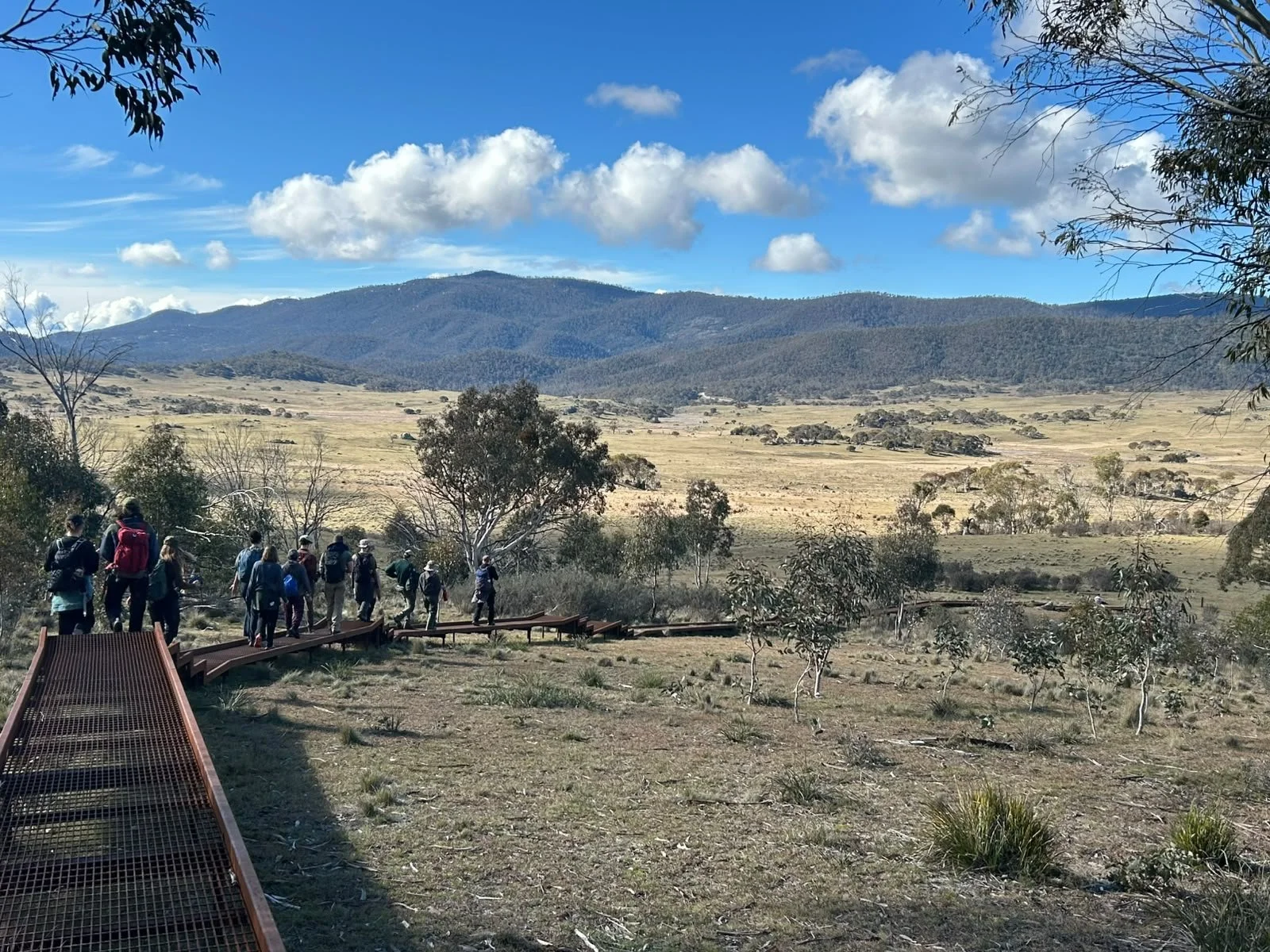
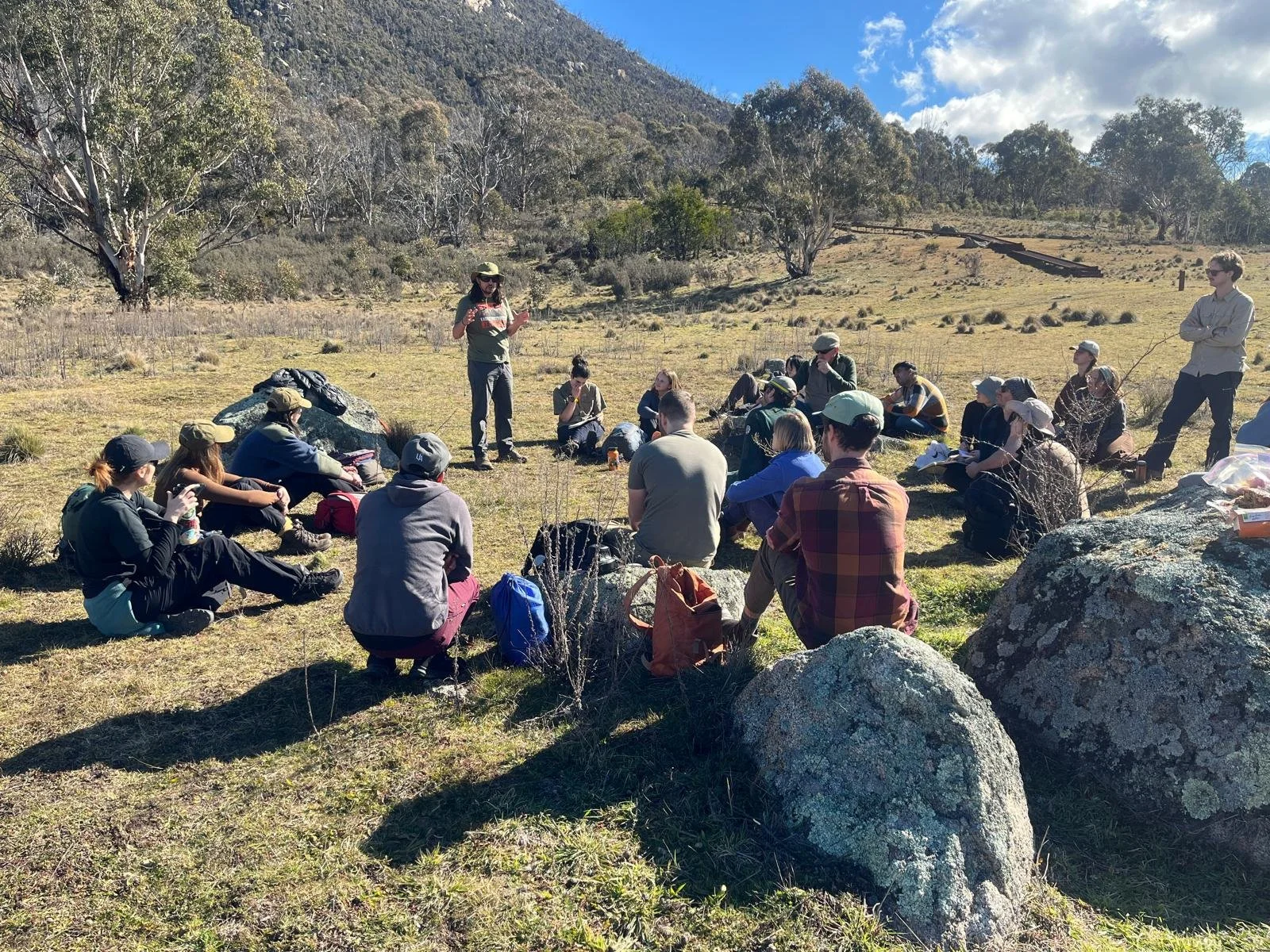
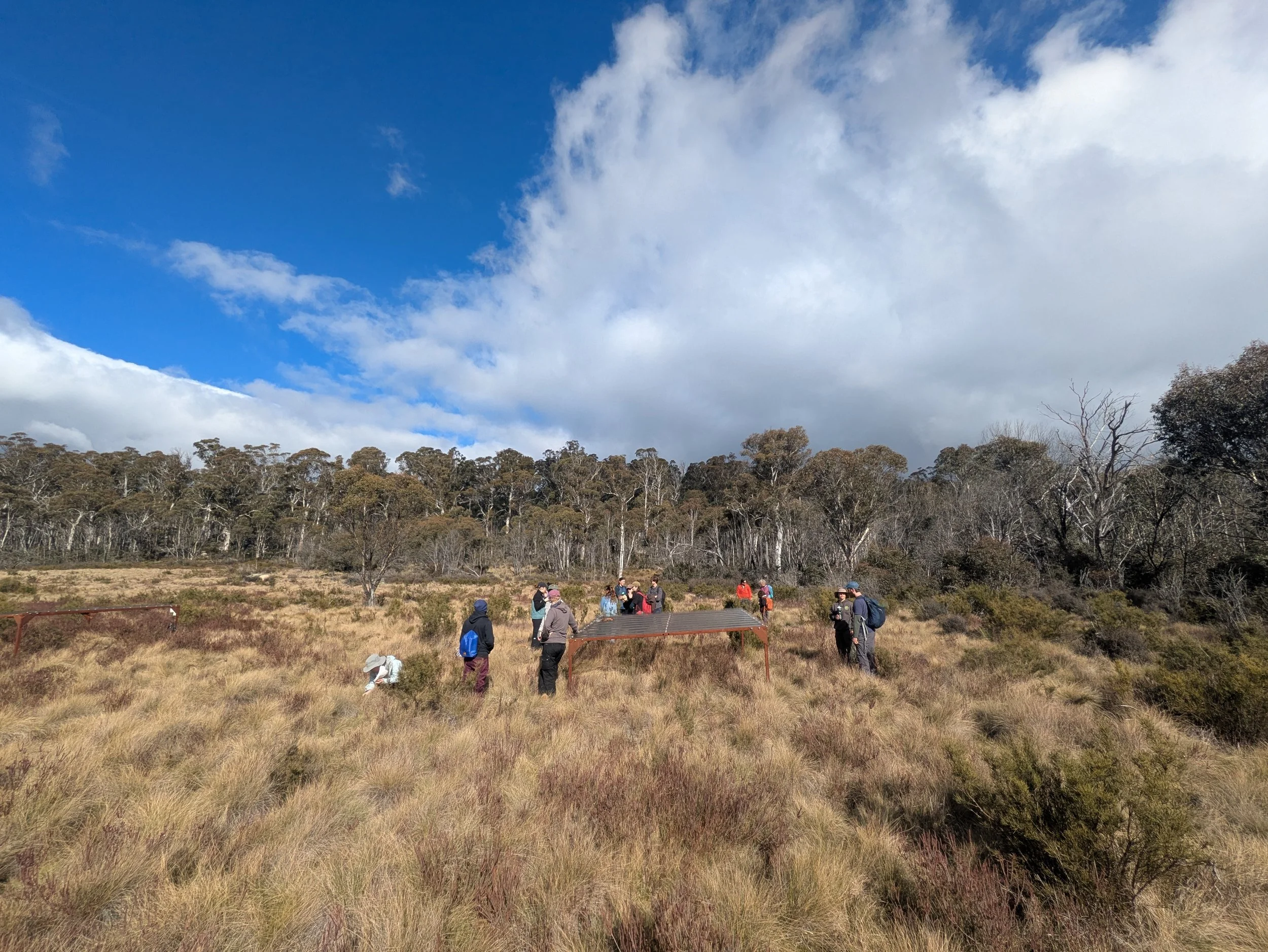
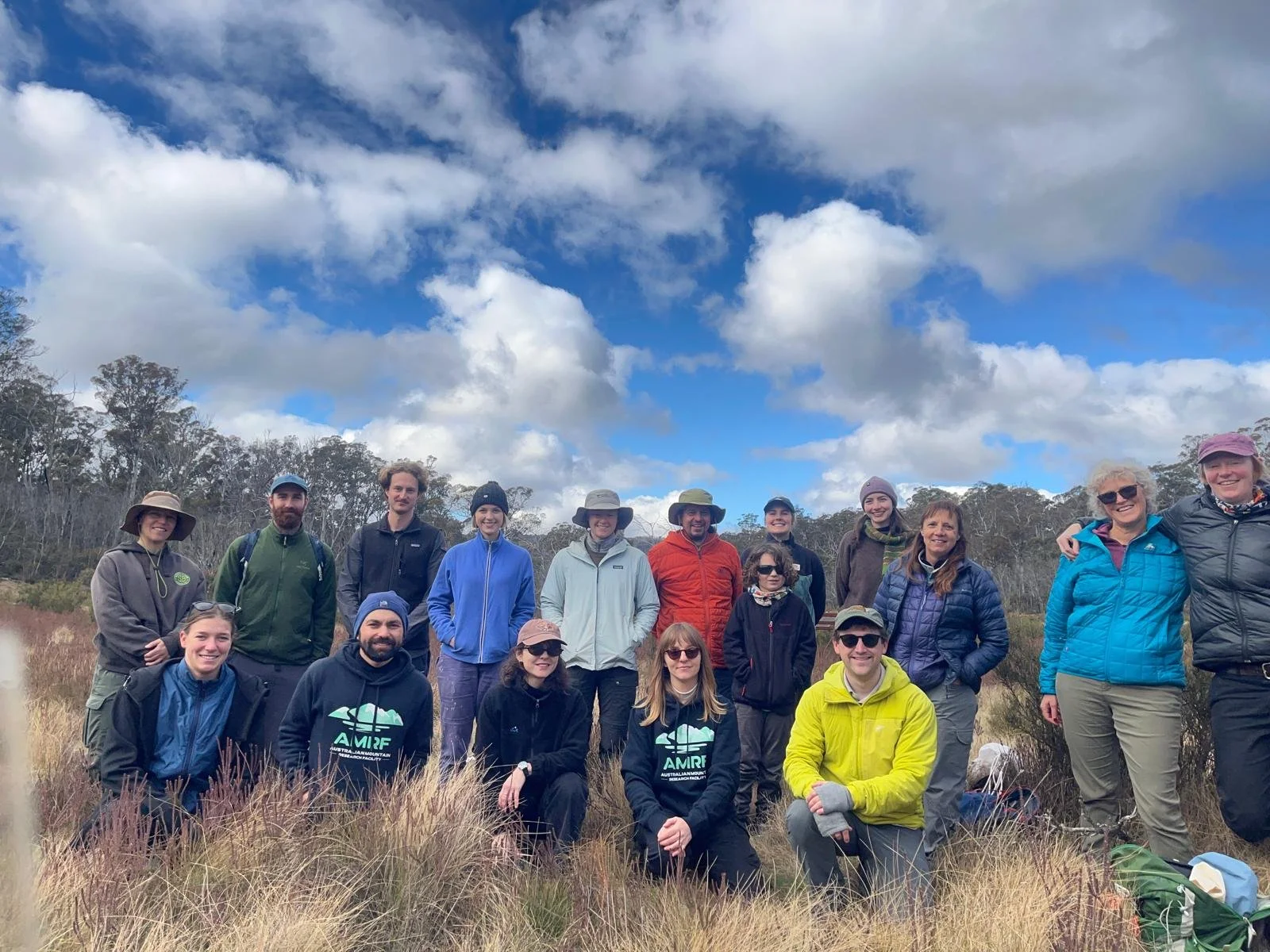
Images: Susanna Venn and Sally Neeser. a) AIAS Symposium day at ANU b) presentation by Indi Williams c) Ken Green’s final, final, final talk at the AIAS d) AIAS Fieldtrip to Yankee Hat e) AIAS attendees learning geology from A/Prof Duanne White f & g) AMRF Workshop visiting AMRF field sites
July August 2026
Save our Snow Gums (SOSG) Meeting
The ARC‑funded Snow Gum Linkage Project held its third annual in‑person meeting at ANU on 21 - 22 July, with more than 50 participants attending from research institutes and land management agencies across Victoria, NSW and the ACT. This was a chance for students and researchers investigating factors contributing towards the decline of Australia’s iconic snow gum to present their findings and for management representatives to provide updates.
Workshops and group discussions followed, helping shape the project’s future directions. The meeting continues to play an important role in building collaboration, sharing knowledge, and informing management approaches aimed at reducing snow gum decline. It was a productive and engaging two days, and we look forward to reconvening in 2027.
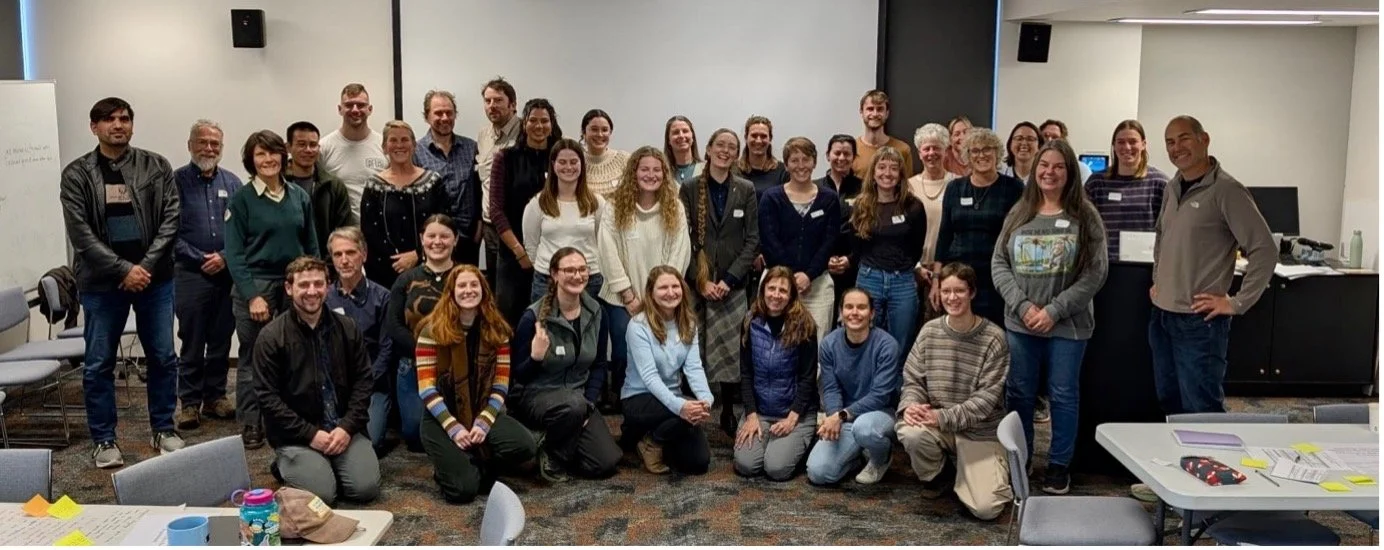
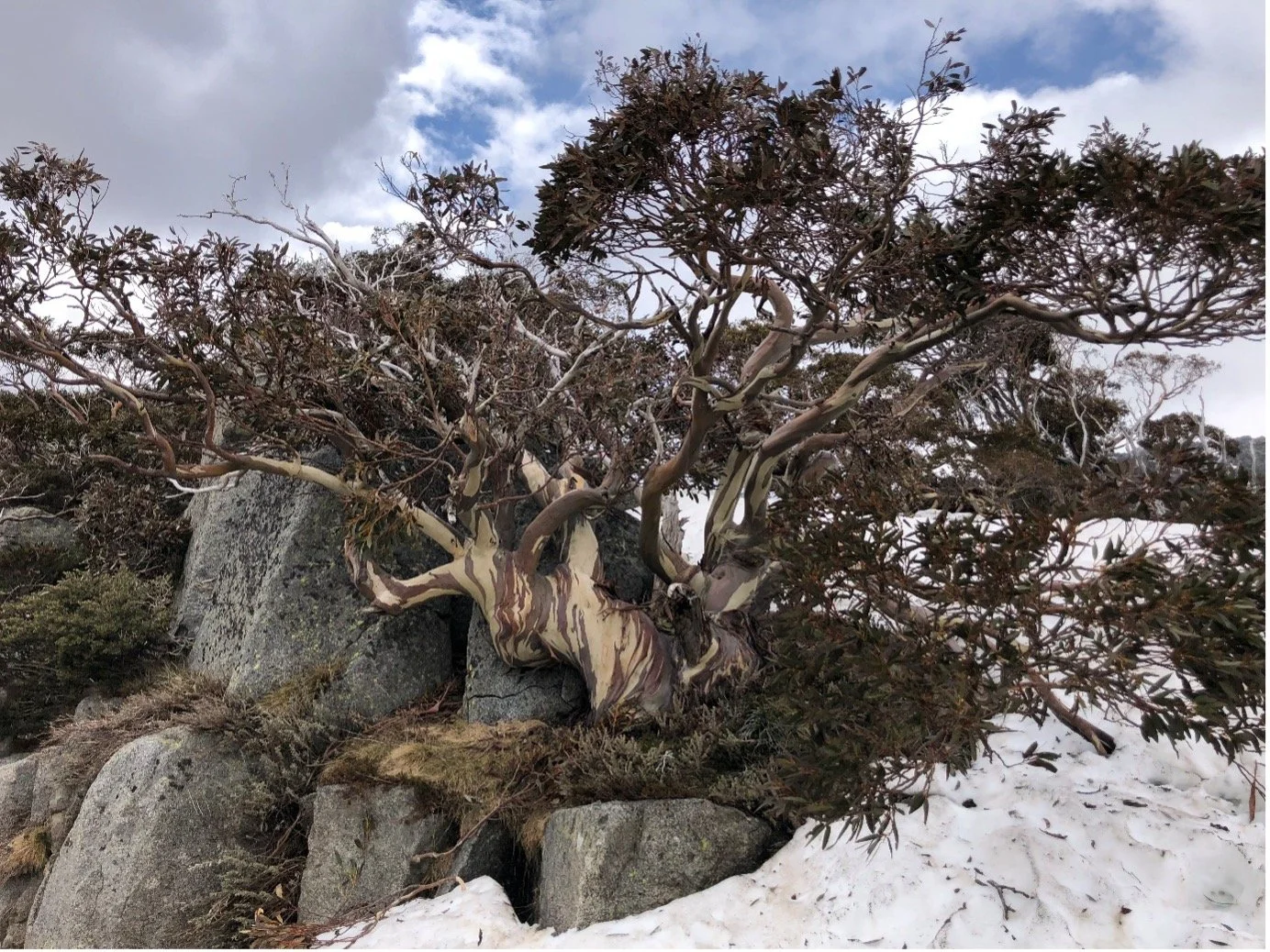
Images: a) SOSG Meeting at ANU b) Snow gum by Tim Greville
Research Opportunities
PhD Opportunity: Understanding snow gum decline for effective management of the Australian high country – ANU, Canberra
We have PhD scholarships available for Australian domestic PhD students including a stipend top up ($10,000/yr) and generous research cost support for students starting in early 2027.
The top up scholarships in 2027 will target three priority research areas:
1. Understanding the physiology, functional ecology and genomics of the snow gum group to inform mitigation and management
2. Using dendrochronology to reconstruct history of snow gum dieback events
3. Insect ecology: The natural history of Phoracantha mastersi, and potential parasitoids of Eucalyptus pauciflora subspecies
Eligibility and deadline: Applicants must be Australian domestic students. Applications close Oct 31, 2026
PhD Opportunity: alpine plant regeneration and snow ecology – Deakin University, Victoria
We have a PhD scholarship available (AU$39,450 tax free) for a late 2026 or early 2027 start, funded by the Australian Research Council and the Royal Botanic Gardens Victoria, based at Deakin University, Burwood, Victoria.
The research project aims to determine how declines in snow will drive the unseasonal growth and development of alpine plants by linking snowpack parameters (depth, density and duration) with the environmental drivers of light, soil water availability and soil temperatures throughout the year. This will help to fill an important knowledge gap about what makes a suitable microsite for seed germination and how early snowmelt affects these processes later in summer.
Potential topics to focus on under the broad theme of alpine plant regeneration and recruitment include:
studies in phenology, germination, seed biology, seedling ecology,
snow science and the ecology of snow
GIS and mapping
making use of the living and preserved collection at the National Herbarium of Victoria
The PhD project will involve a substantial amount of fieldwork, glasshouse and laboratory work, as well as data analysis and writing throughout. The candidate will also have access to the Australian Mountain Research Facility’s field-based experimental infrastructure.
More information and how to apply:
AMRF is now on Bluesky
AMRF is now on Bluesky, where we’ll share alpine research updates, fieldwork highlights, and upcoming opportunities. Follow us to stay connected and support the work happening across Australia’s alpine regions.
New Paper Alerts
Campbell P, White D, Dyer F, Harvey N (2026) Climate change driven persistence changes in Australian snowpatches. Geografiska Annaler: Series A, Physical Geography, 1-23. https://doi.org/10.1177/03091333251360390
Hanley TC, Arnold PA, Brown ZA, Leigh A, Williamson VG, Venn SE, Nicotra AB (2026) Acclimation and De-Acclimation of Photosystem Heat Tolerance of Alpine Plants in Response to Multiday Heat Exposure in the Field. Journal of Vegetation Science 37(1), e70109. https://doi.org/10.1111/jvs.70109
Rowland JA, Sato C, Regan T, Keith DA, Ferrer-Paris JR, Balmer J, Camac J, Green K, Kirkpatrick J, Lee CKF, Lester R, Morgan JW, McDougall K, Muir A, Murray N, Plumanns-Pouton E, Sumner E, Taylor C, Tolsma A, Toth A, Traurig M, Umbers KDL, Venn S, Vernon C, Verrall B, White M, Whinam J, Wright G, Williams D, Nicholson E (2026) Risk Status of Australia's Alpine and Subalpine Ecosystems. Austral Ecology 51(5), e70214. https://doi.org/10.1111/aec.70214
Venn SE, Vázquez-Ramírez J. (2026) Alpine shrubs as facilitators: shrub structure, microsite exposure and site context shape seedling survival and growth dynamics. Alp Botany https://doi.org/10.1007/s00035-026-00356-4
Westoby M, Arnold P, Bryant C, Camac JS, Coleman D, Falster DS, Gosper CR, Hickman I, Jordan R, Kooyman RM, Kotowska M, Lebbink G, Luxton S, McMullan-Fisher SJM, Nicotra A, Parkhurst T, Plumanns-Pouton E, Prober SM, Richards A, Schrader J, Standish RJ, Waddell P. (2026) Scenarios for ecosystems in the year 2100. Australian Journal of Botany 74, BT26036. https://doi.org/10.1071/BT26036
Wilson BR, Tulau M, Kuginis L, McInnes-Clarke S, Grover S, Milford H and Jenkins BR (2022) Distribution, nature and threats to soils of the Australian Alps: A review. Austral Ecology, 47: 166-188. https://doi.org/10.1111/aec.13115
Acknowledging AMRF infrastructure in your publications helps us shine a spotlight on the important work happening across our research community. If AMRF has supported your alpine research, please include us in your acknowledgments - we'd love to feature your work in an upcoming newsletter!