Australian Institute of Alpine Studies Newsletter 02
A newsletter connecting Australian mountain researchers, supported by AMRF.
News & Updates
AMRF Project Updates
***Details to come here***
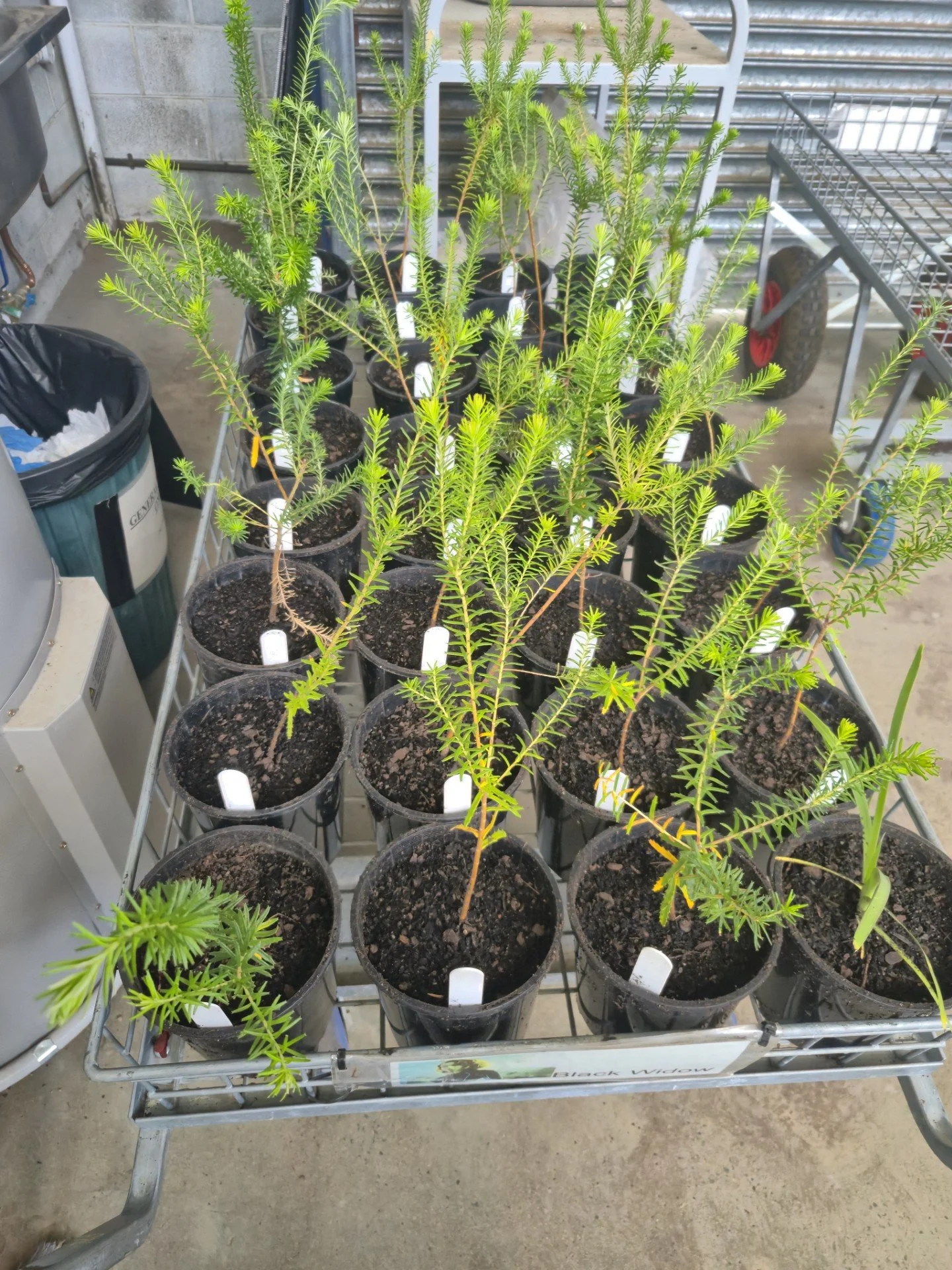
Snow Gum transplant - at FutureClim - Cal Bryant
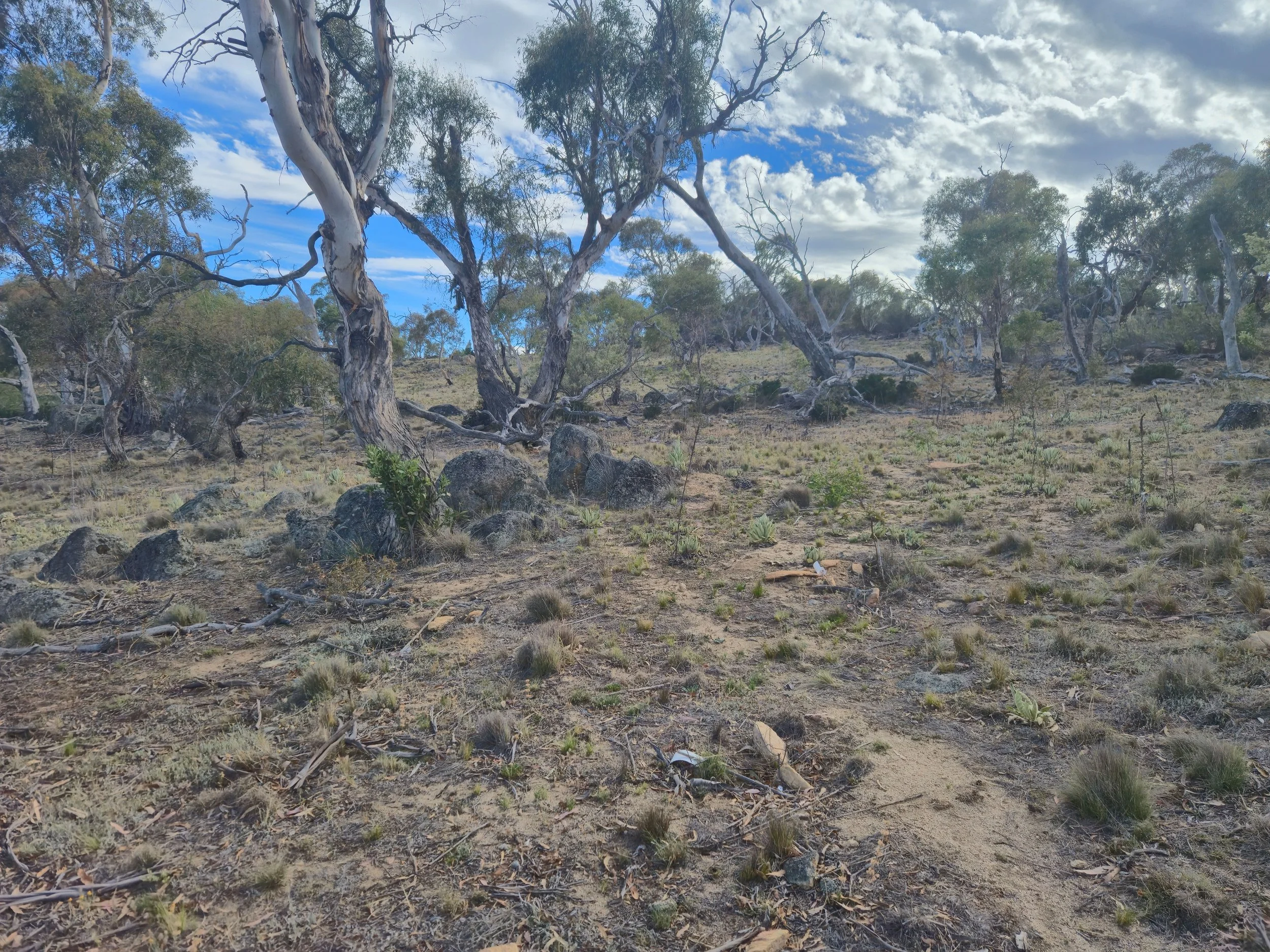
Field work - Nathan/Josh - ACT resurvey sites & photos
Infrastructure maintenance - Ruined Castle
Anything else?
AMRF Grant Awards
ARC Industry Fellowship: Combining snow science and seed ecology to better manage alpine ecosystems
Associate Professor Susanna Venn
Commencing in March, this project utilises AMRF infrastructure (FutureClim and DroughtNet) and will recruit several students and research staff. The Key Industry Partner is the Royal Botanic Gardens Victoria (Meg Hirst, David Cantrill), and Industry Partners; Parks Victoria (Floret Meredith), and NSW National Parks and Wildlife Service (Mel Schroder, Tim Greville, Gen Wright).
Summary: This project aims to determine how ongoing declines in snow affect the growth, development and regeneration of alpine plants. By linking snowpack parameters (depth, density and duration) with growth requirements (light, water and temperature), this project fills an important knowledge gap about how a contraction of the snow season affects spring flowering, seed development, germination, seedling growth and seedling survival through summer. Outcomes include targeted regeneration information for practical rehabilitation works and for conserving alpine plants in-situ and ex-situ. The project will provide tools to promote alpine ecosystem resilience amidst plant life cycle disruptions, of benefit to land managers and stakeholders.
ARC Discovery Grant: Protecting Australian high-country peaty soils by hydrological manipulation
Professor Mark Hovenden, Professor Adrienne Nicotra, Associate Professor Duanne White and Dr Lizzy Wandrag
Key Industry Partners include Tasmanian Land Conservancy (Cath Dickson) and NSW National Parks and Wildlife Service (Mel Schroder, Tim Greville, Gen Wright - are these the correct contacts for this grant?). This project uses AMRF infrastructure in NSW and TAS, and will also recruit students and research staff as part of its delivery.
***Summary of project here***
Meet your new research ally
Dr Piet Arnold - AMRF Data and Experimental Design Consultant
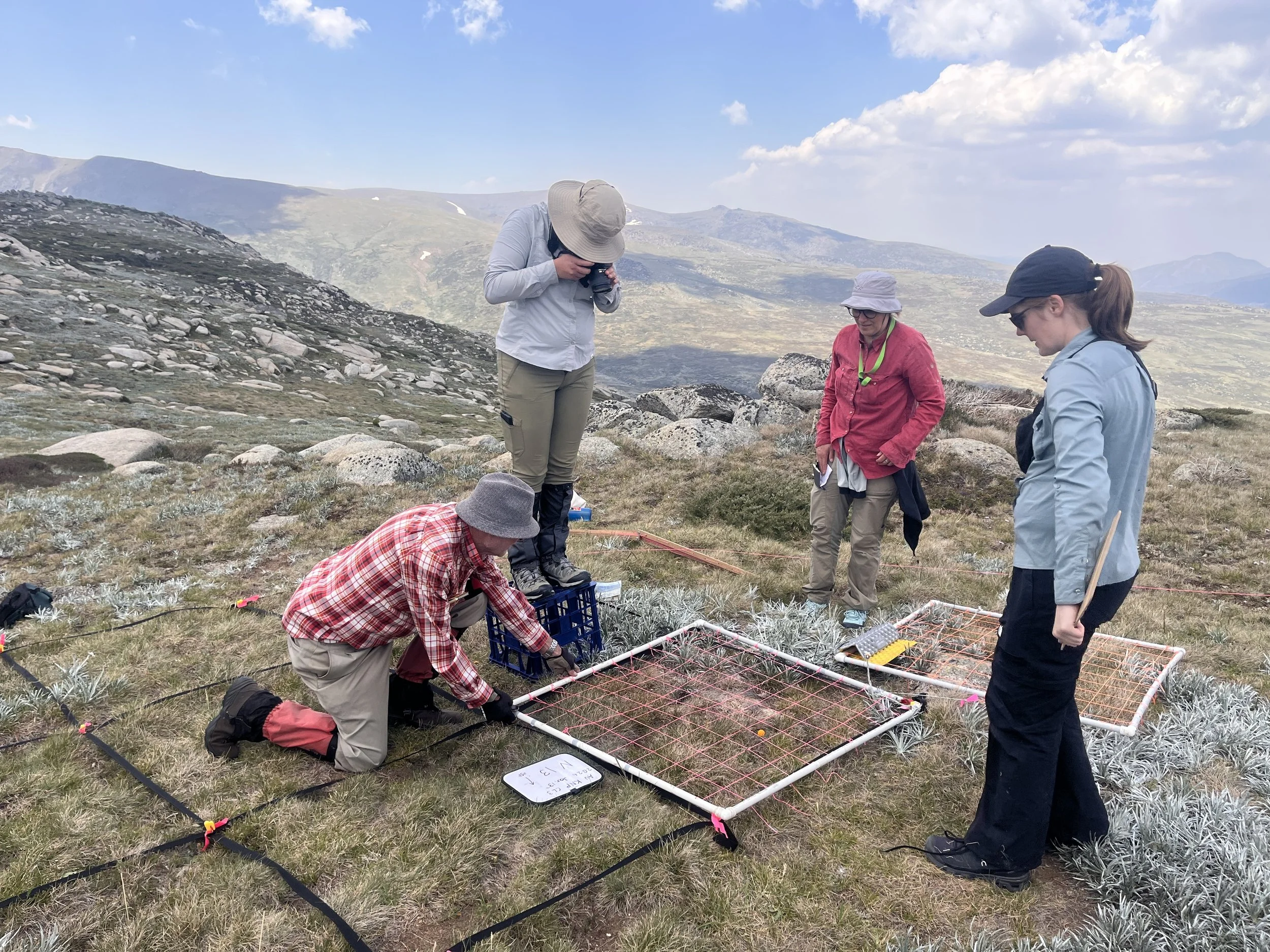
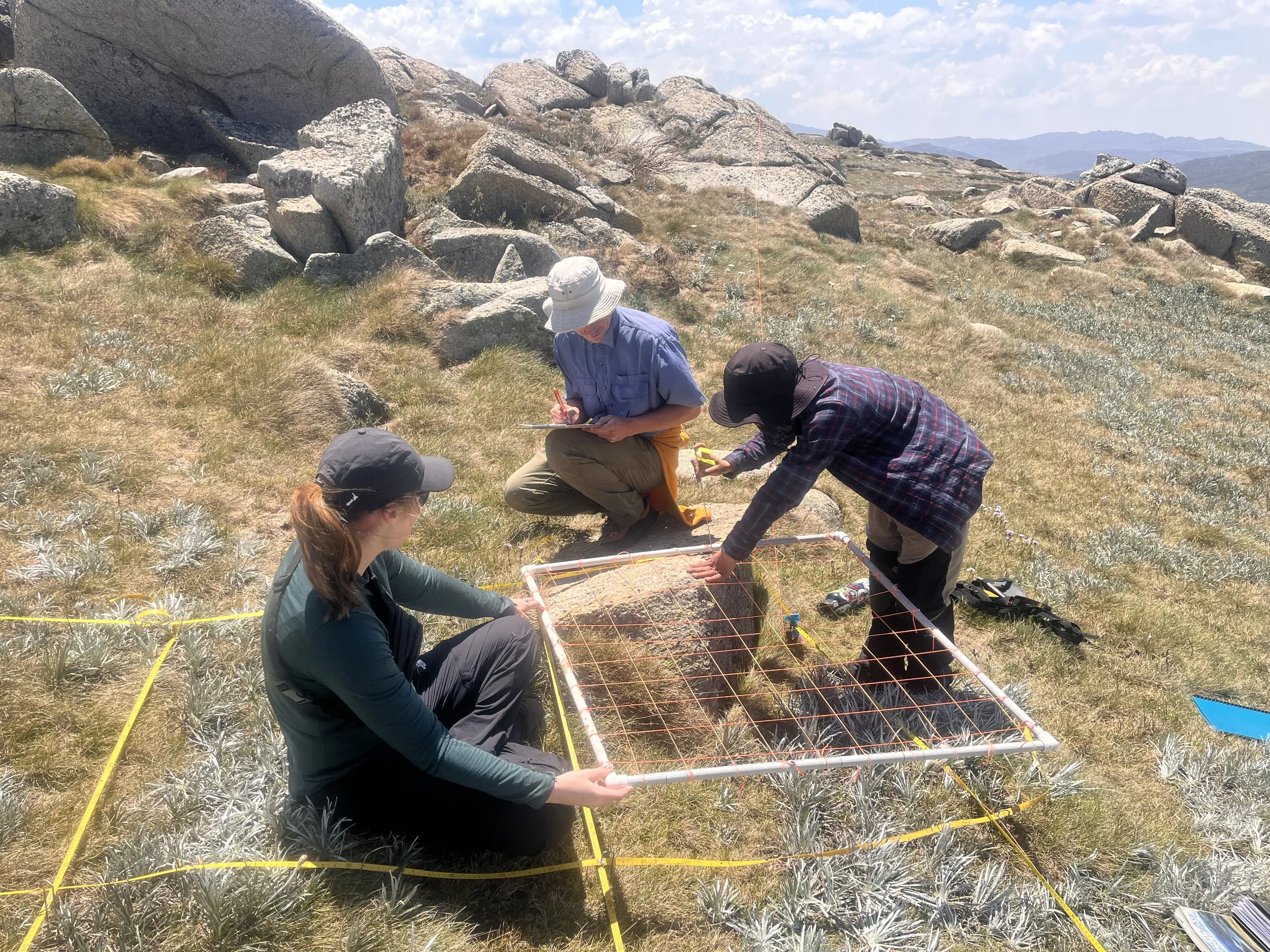
GLORIA Project Fieldwork 2026
The GLORIA project (GLobal Observation Research Initiative in Alpine environments) is a highly successful, internationally coordinated network monitoring the effects of climate change on alpine summits at a global scale. There have been 200+ sites established on summits worldwide. It takes advantage of the high sensitivity of alpine ecosystems and vegetation to climate change in order to detect how these changes might affect plant life throughout the world.
What’s been happening in Australia?
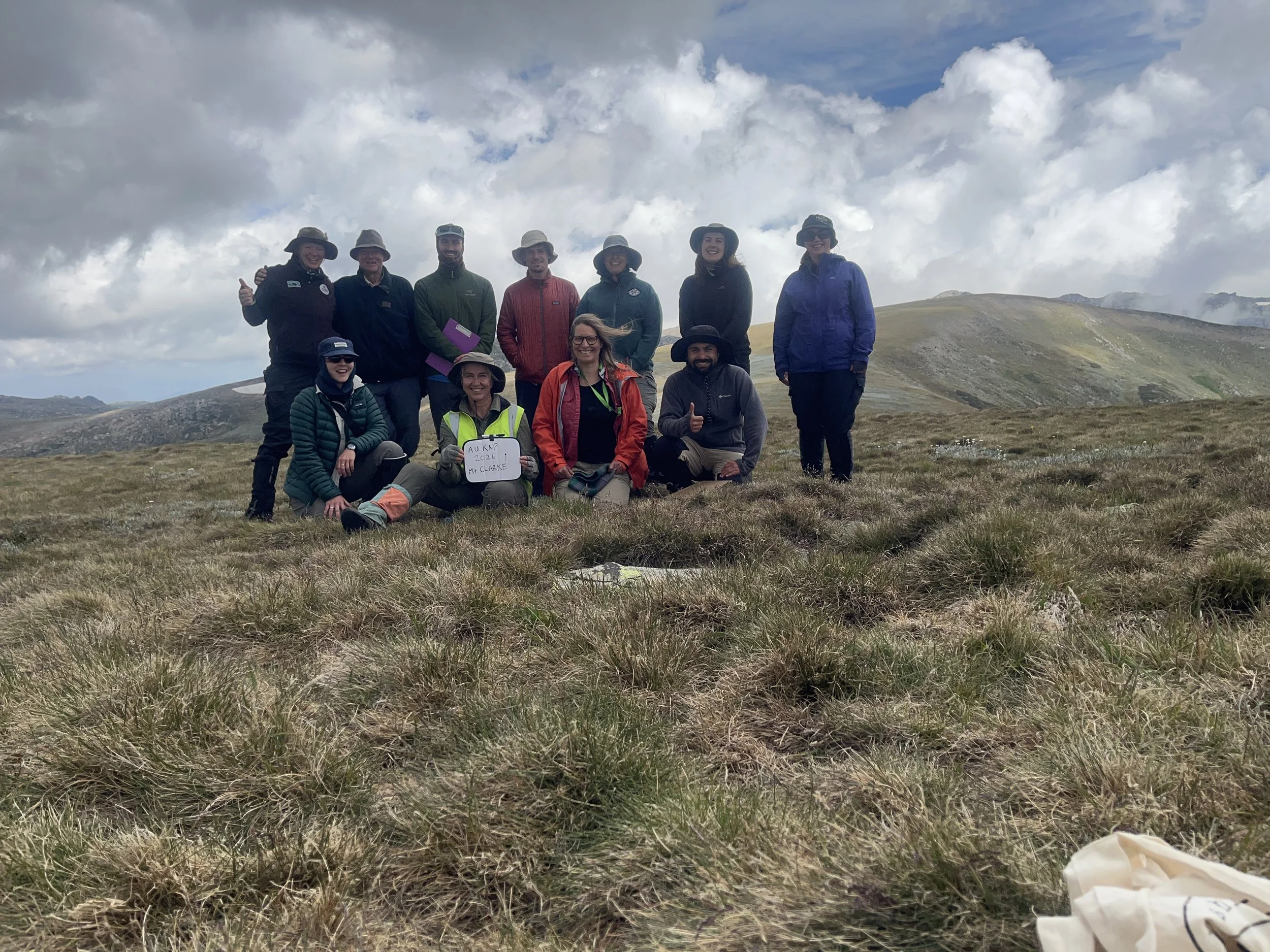
For the last 25 years Australia has been part of the collaborative global GLORIA project. We have one target region with five summits (Mt Clarke and four peaks down the ridge) on the Main Range in Kosciuszko National Park. The project not only contributes data at a global scale but is informing scientists and land-managers alike about the changes that are occurring in Australian alpine plant communities. The vegetation surveys have now been completed in 2004, 2011, 2019 and 2021, with the most recent survey just completed in January 2026.
Vegetation changes in the Snowy Mountains detected through the GLORIA project include:
An increase in species richness between 2004, 2011, 2019 and 2021, particularly at lower elevation summits
An increase in shrub and graminoid species overall
Elevation identified the main determinant of species composition across the summits
Soil temperature accounts for more than 40% of the variation in composition among summits
Species with localised distributions (local endemics) more common at higher elevations
Highlights from the January 2026 survey:
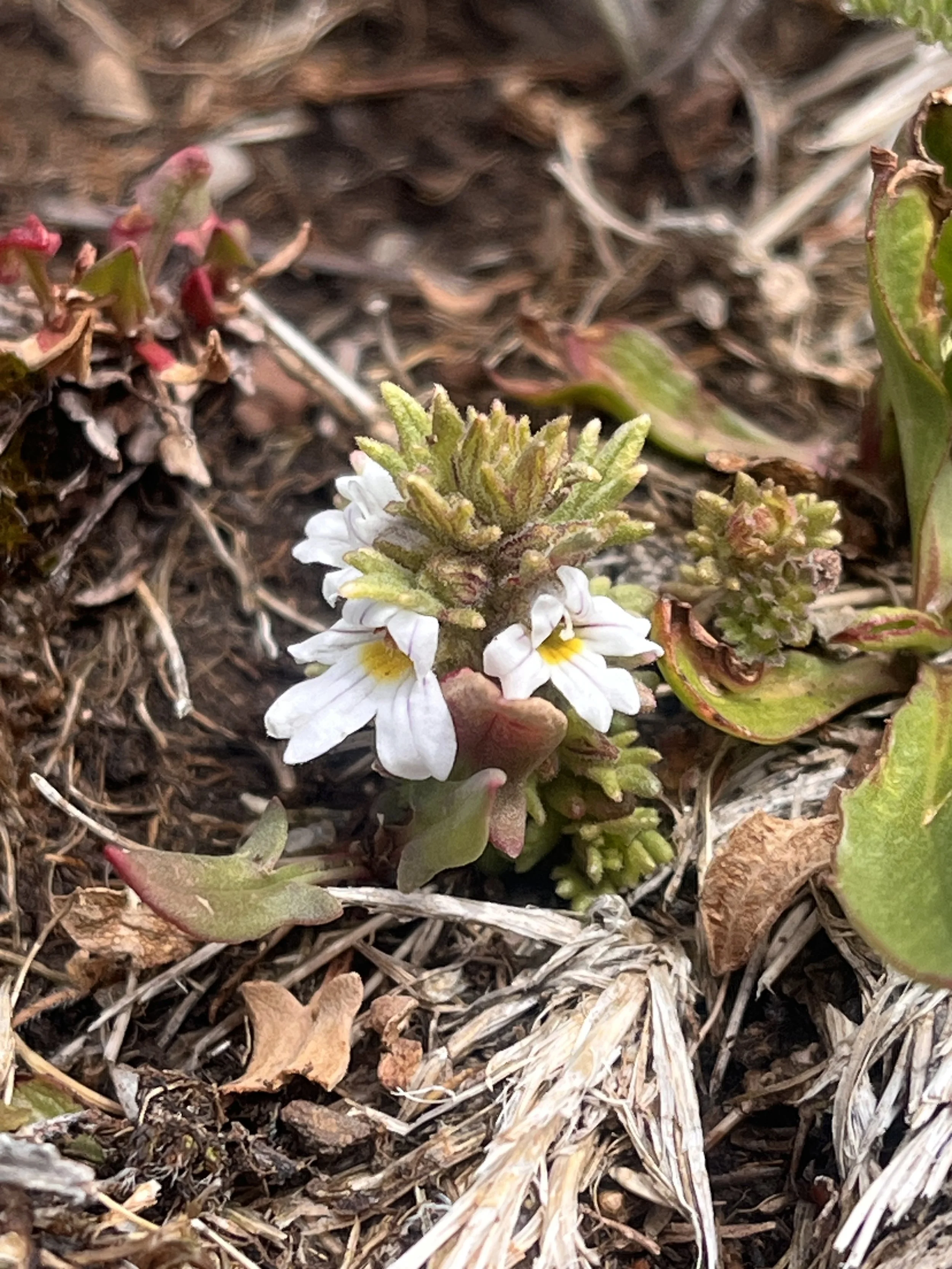
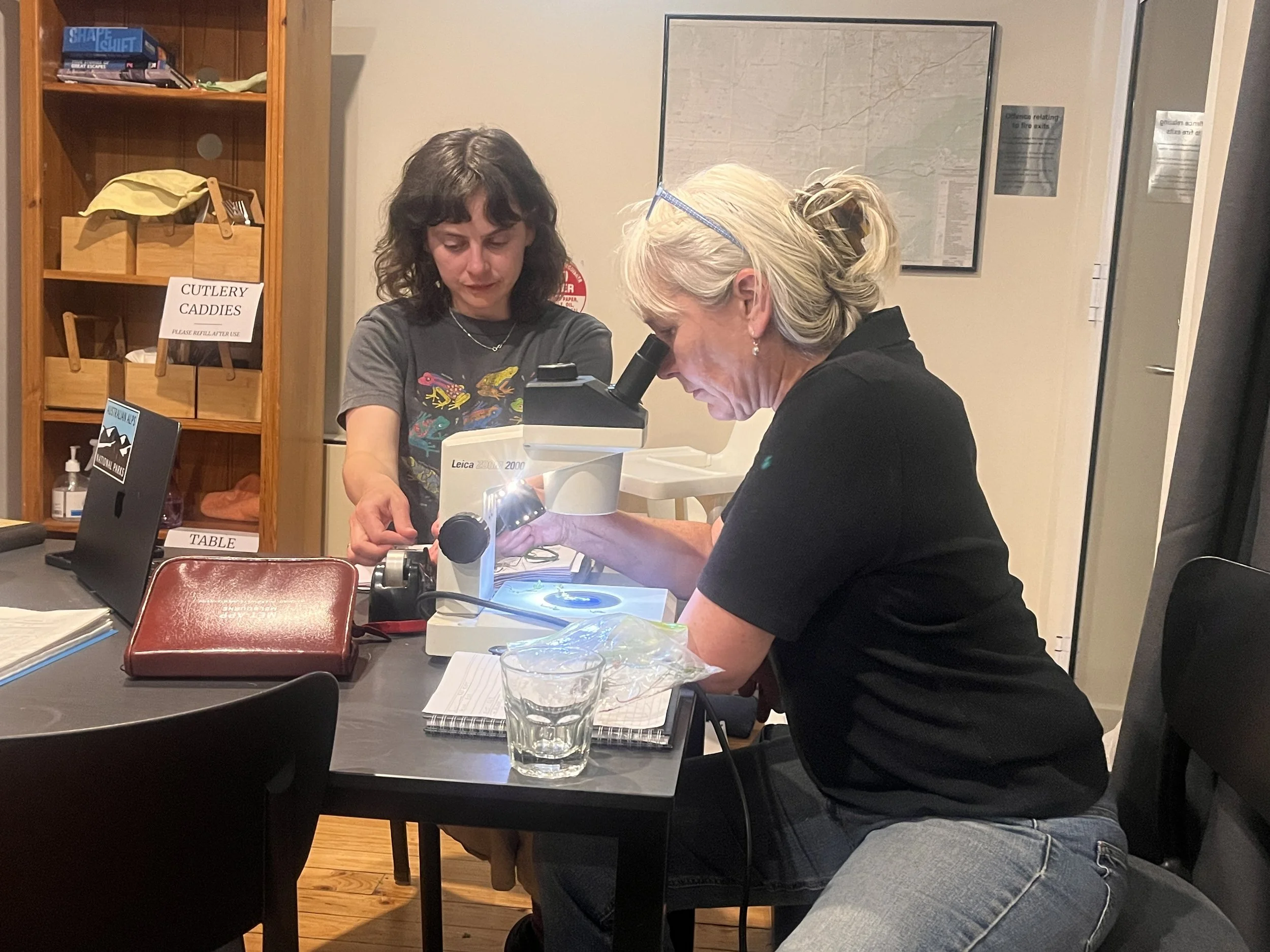
Over 10 days, 15 people contributed to the field campaign. We encountered almost every kind of alpine weather and the dedicated botanists spent long hours in the evening accurately identifying specimens to add to the dataset. We found 29 new species that weren’t recorded in any of the previous surveys, including two new ferns. In most Summit Area Sections, we recorded more new species than in previous surveys. Gen Wright recorded the highest new total of 61 species in a Summit Area Section at the lowest summit, Clarke 5 (the previous record was 42 in 2019). Alex Martin, supervised by Susanna Venn at Deakin Uni, will now be compiling the dataset as part of her Honours project, so stay tuned for results expected in October.
We are extremely grateful for the NSW National Parks and Wildlife Service and the Australian Alps National Parks who provided funding to make the 2026 GLORIA field campaign a huge success.
Follow us to stay connected on the latest alpine research using AMRF’s infrastructure.
We will be sharing research updates and outcomes, project milestones, student experiences and opportunities, behind-the-scenes photos of field and lab work, new paper alerts, and conference and events.
You can also stay connected through the AIAS mailing list, to receive regular newsletter updates from AMRF and AIAS. Simply click the link below, select ‘Join the AIAS’, and confirm your subscription via the email sent to your inbox.
Conferences & Events
Upcoming events:
July 2026
AIAS Symposium & AMRF Annual meeting in Canberra
Join us for the 2026 AIAS Symposium and AMRF workshop on the 8th - 10th July 2026, in Canberra, the ACT.
Day 1: AMRF Workshop - more details to come
Day 2: AIAS Symposium - more details to come
Day 3: AIAS field trip to wrap up the gathering
Register your attendance via this Eventbrite Link.
Please indicate your interest in presenting a poster and/or a XXX minute talk using this QR code here.
Past events:
It has been an action‑packed season for alpine research, with presentations, fieldwork, and student projects in full swing. See the highlights below.
November 2025
Ecological Society of Australia Conference 2025
The following researchers shared alpine insights at the Ecological Society of Australia (ESA) Conference in Adelaide, 23 - 28 November 2025.
Cal Bryant ‘Understanding and responding to climate change-mediated subalpine snow-gum woodland decline’
Lisa Danzey ‘Do elevated night time temperatures during heatwaves help or hinder sub-alpine plant communities?’
James King ‘Above and belowground responses to a future climate in the Australian sub-alpine’
Aaron Midson ‘Linking eddy-covariance observations and ecosystem modelling to understand subalpine woodland carbon dynamics’
Nicholas Porch ‘Darkness pervades the mountains: Throwing light onto invertebrates in montane SE. Australia’
Leon Sims ‘Location Location Location: Alpine microclimatic variation influences flowering and plant-pollinator network specialisation’
Clare Vernon ‘Understanding indicator selection and assessment in terrestrial and alpine Australian ecosystems’
Susanna Venn ‘The condition, threats and future of Australian alpine snowpatch plant communities'
Alan Vincent ‘Modelling climate driven distributional shifts of Eucalyptus species for montane conservation management’
Zoe Xirocostas ‘Handling the heat: Warming alone does not reduce alpine plant survival/reproduction’
Summer 2025 / 2026
AMRF 2025/2026 Summer Cadetship
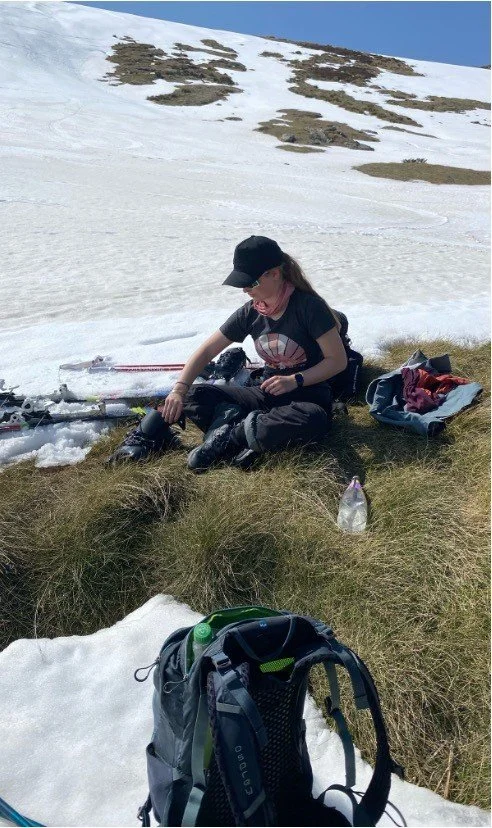
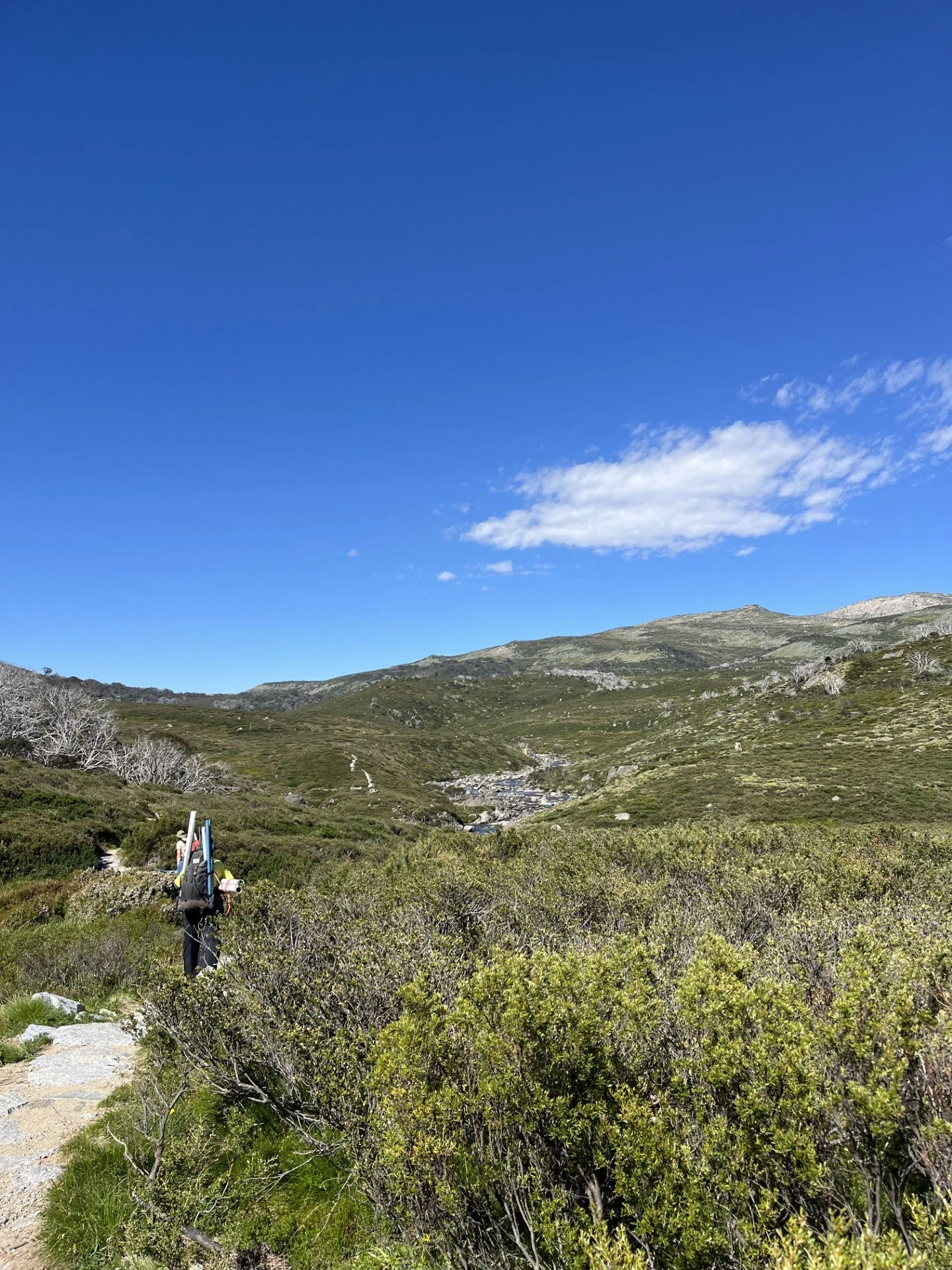
The AMRF Summer Cadetship program provided 11 cadets the opportunity to support AMRF’s research and experimental programs, combining fieldwork and campus-based tasks to build practical capability in mountain science.
Over a total of 2383 hours, 4 regions across the ACT, NSW, VIC and TAS, students contributed to 15+ research and monitoring projects, including: hydrology mapping, snow-gum health (borer, moisture, dendrohydrology), provenance trials, alpine insect diversity, plant community sampling, thermal-tolerance experiments, drought/heat phenotyping, pollen studies and dieback assessments.
Below are two experiences shared by cadets Shrejal Choudhary and Jasmine Zollinger.
Shrejal Choudhary
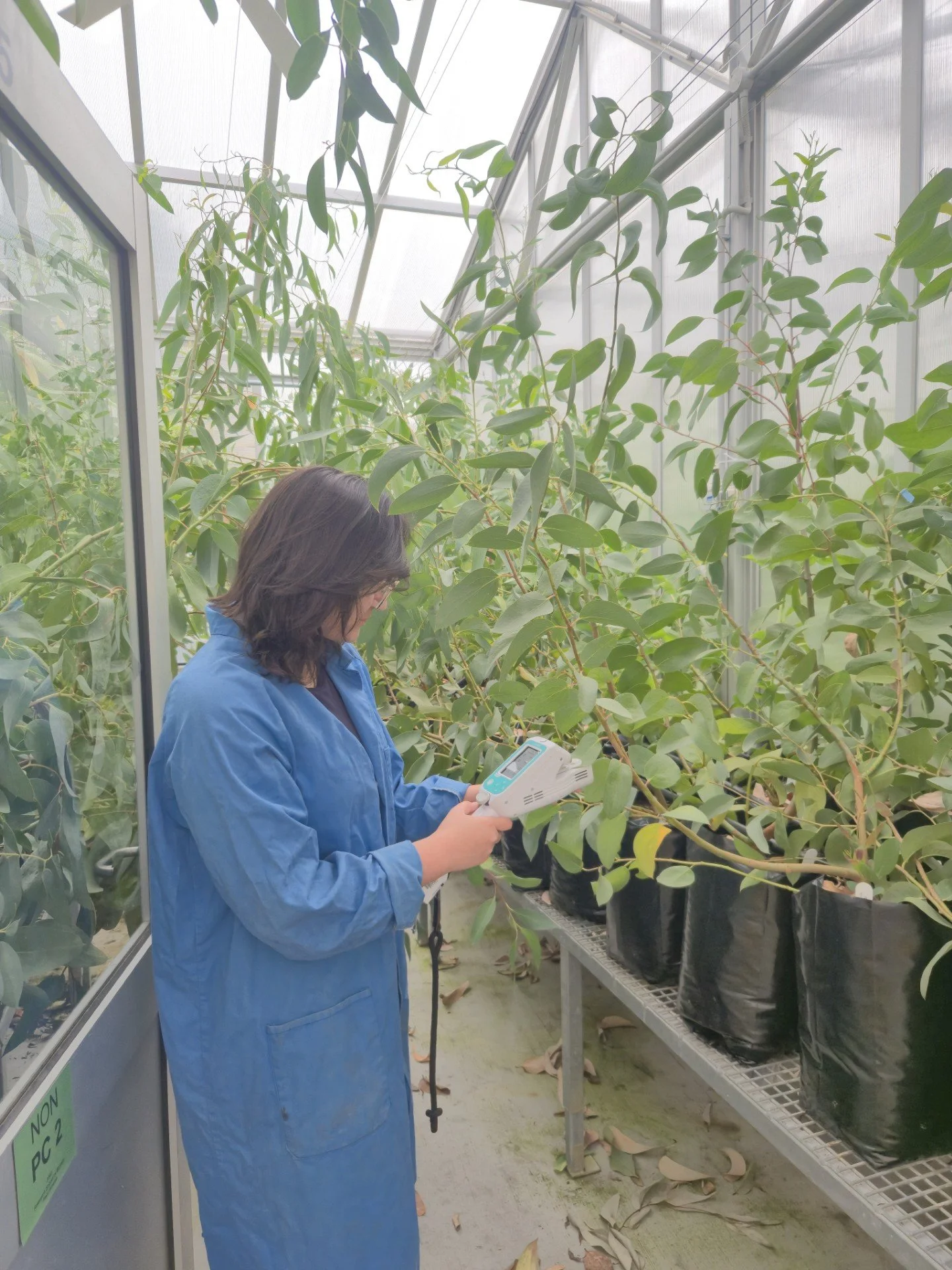
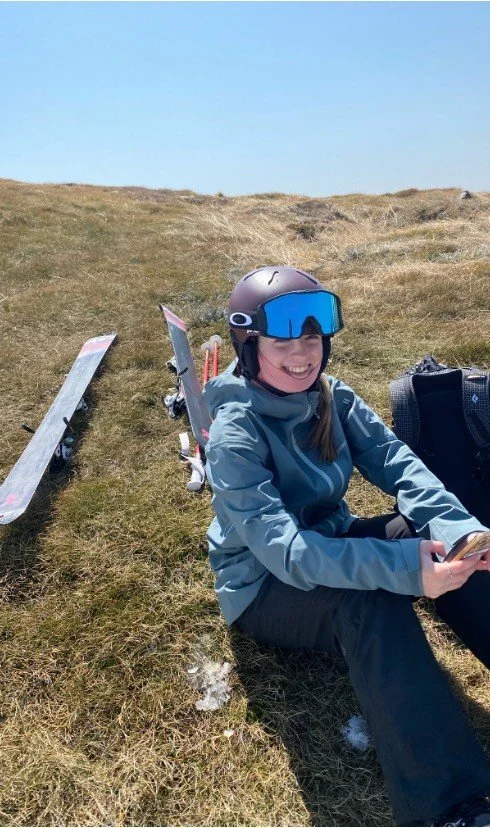
“My cadetship work commenced in mid-November, where I initially started with testing thermoelectric modules called Peltier plates for an upcoming field course. I got to make an insulated enclosure for them using foam and glass and developed a better understanding of their function. This was exactly the sort of experience I needed for starting my Honours project the next year, in which I will now include Peltier plates as a key component of my methods. Throughout November and December I went on a handful of field trips supported by different labs, with a majority of them consisting of collecting samples of various types. I was able to learn how to use a number of tools, such as increment borers to collect microcore samples from snow gums in Kosciuszko and LI-CORs to measure chlorophyll florescence and gas exchange in leaves. This cadetship has been truly invaluable to me, as I have become more familiar with the processes of experimental set up and the wide variety of projects I have worked on has informed me of what I would enjoy exploring in my research in the future.”
Jasmine Zollinger
“Exposure to the variety of projects I worked on during my AMRF cadetship has helped clarify my next steps and career direction. Being involved in different stages of research, from field and laboratory work through to data handling and reporting, showed me how environmental science is applied beyond university theory. It helped me identify the types of work I find most engaging, particularly hands-on, applied research that contributes to real-world environmental outcomes. Working across multiple projects also highlighted the importance of interdisciplinary collaboration and adaptability and reinforced my interest in roles that combine technical skills with problem-solving in dynamic environments. As a result, I am now more confident in pursuing future opportunities in environmental research, like honours related to snow science and field-based roles, where I can continue to build practical skills while contributing to meaningful environmental research and subsequent management and decision-making for the Australian alps.”
Research Opportunities
Any Honours, Masters, PhD Project opportunities to go here???
What’s in Flower?
***Ken Green’s update on what is flowering***
New Paper Alerts
Arnold P, Brown F, Brown Z, Aitken S, Danzey L, Hanley T, King J, Mu X, Osmolovsky I, Sumner E, Williamson V, Xirocostas Z, Leigh A, Moles A, Venn S, Nicotra A (2025) Effective heating chamber design to simulate acute heatwaves and night-time warming for ecological communities under natural field conditions Methods in Ecology and Evolution https://doi.org/10.1111/2041-210X.70114
Dewenter BS, Giling DP, Shah AA, Hughes J, Poff NL, Ghalambor CK, Funk WC, Bristow S, Thompson RM, Kefford BJ (2025a) Annual Temperature Range Drives Thermal Breadth of Freshwater Insects Across Multiple Spatial Scales. Ecology Letters 28(12), e70288. https://doi.org/10.1111/ele.70288
Dewenter BS, Hughes J, Shah AA, Bristow S, Poff NL, Thompson R, Kefford BJ (2025b) Spatial scale influences relationships between indices of organisms’ thermal tolerance. Journal of Thermal Biology 132, 104226. https://doi.org/10.1016/j.jtherbio.2025.104226
Dreyer, D, Adden, A, Chen, H, Frost, B, Mouritsen, H, Xu, J, Green, K, Whitehouse, M, Chahl, J, Wallace, J, Hu, G, Foster, J, Heinz, S, and Warrant, E (2025) Bogong moths use a stellar compass for long-distance navigation at night. Nature 643, 994–1000 https://doi.org/10.1038/s41586-025-09135-3
Hanley TC, Arnold, PA, BRown ZA, Leigh A, Williamson VG, Venn SE,Nicotra AB (2026) Acclimation and de-acclimation of photosystem heat tolerance of alpine plants in response to multiday heat exposure in the field. Journal of Vegetation Science37(1) e70109 https://doi.org/10.1111/jvs.70109
Rowland JA, Ferrer-Paris J-R, Keith D, Murray NJ, Sato CF, Tóth AB, Tolsma A, Venn SE, Amsüssen MV, Pliscoff P, Zambana-Torrelio C, Lester RE, Regan TJ, Nicholson E (2025) Assessing risk of ecosystem collapse in a changing climate. Nature Climate Changehttps://doi.org/10.1038/s41558-025-02324-y
Xirocostas Z, Moles AT, Brown FM, Brown ZA, Chiarenza GM, Earle R, Leigh A, Mu X, Sumner EE, Venn SE, Williamson VG, Zeng K, Osmolovsky I. (2026) Handling the heat: Warming does not reduce alpine plant survival or reproduction under high precipitation conditions. Climate Change Ecology (11)10011 https://doi.org/10.1016/j.ecochg.2026.100111
***Insert text here about asking researchers to acknowledge AMRF infrastructure in publications - Nathan do you have this copy? ***